
[ archive ] Features
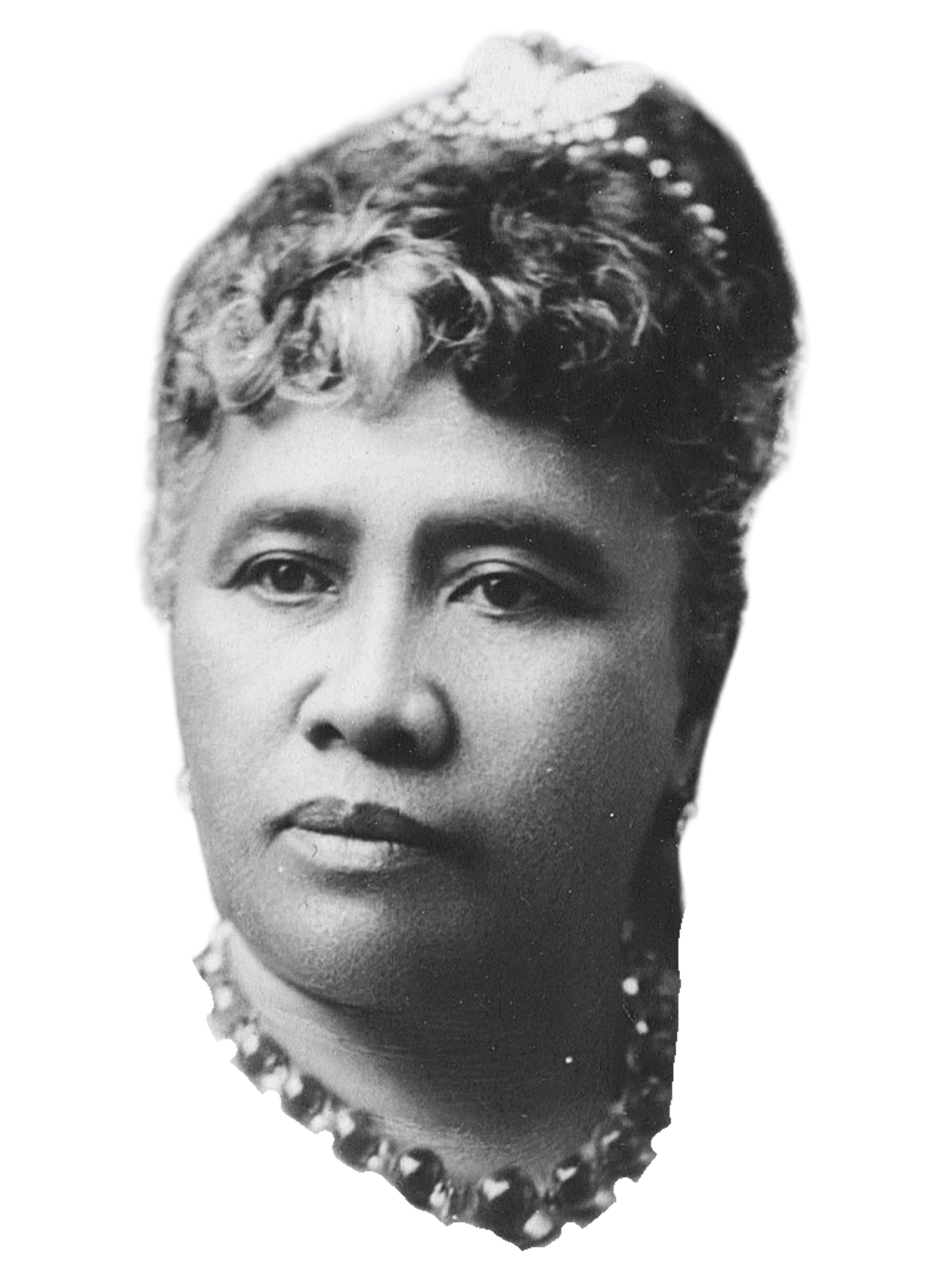
QUEEN LILI'UOKALANI
Before Hawaiʻi was a vacation destination, it was a sovereign nation — with its own government, its own constitution, and its own queen.
She was the last monarch of the Hawaiian Kingdom. She came to power in 1891 with a clear mandate from her people: restore what had been taken from them. And for that, for simply governing in the interest of Hawaiians on Hawaiian land she was overthrown by American businessmen, backed by U.S. Marines, in 1893.
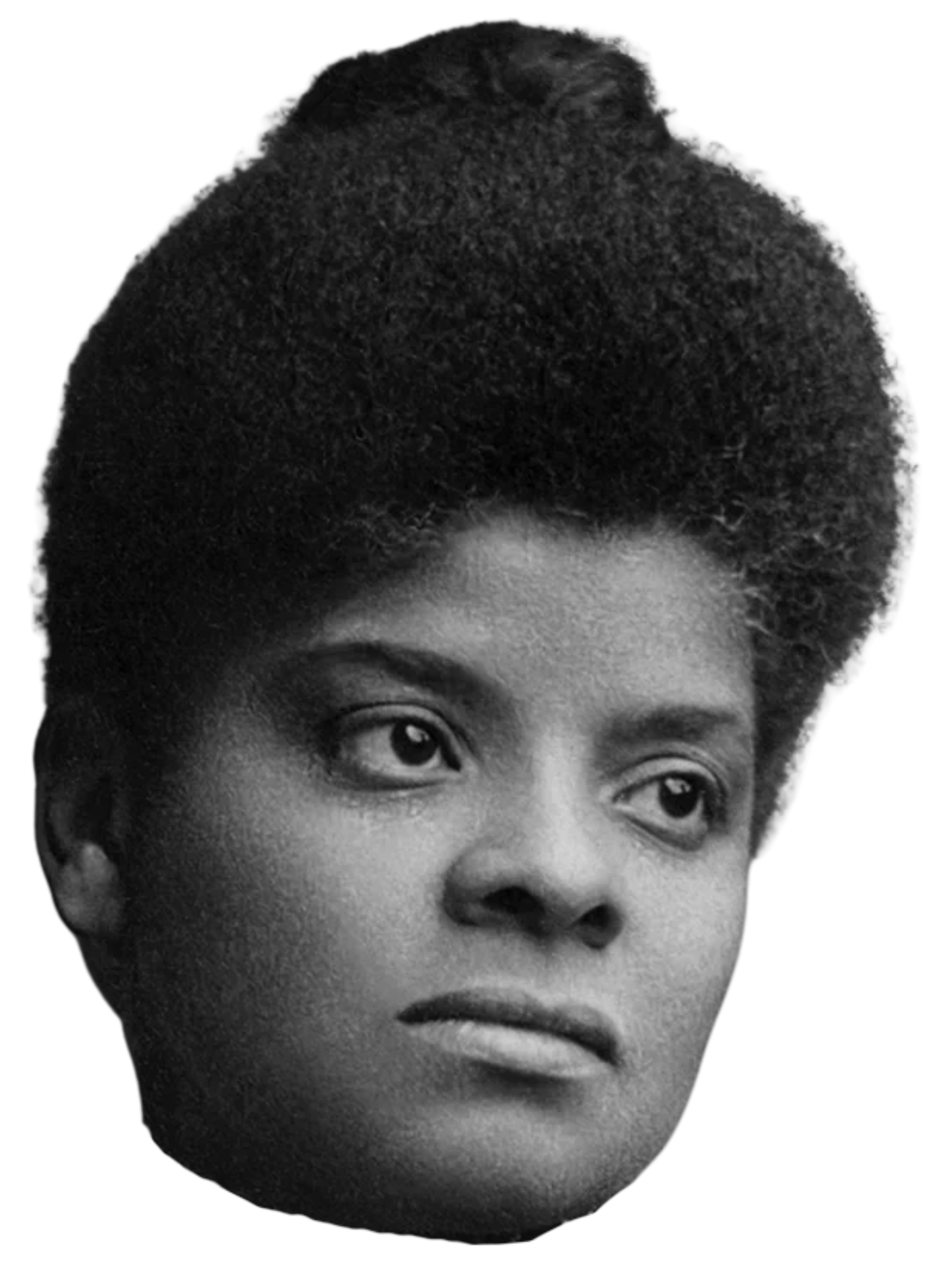
Ida B. Wells
Ida B. Wells was a groundbreaking investigative journalist, educator, activist, and organizer. From exposing lynching atrocities to championing Black women's rights and founding institutions for racial justice, she reshaped America’s discourse on race and gender.
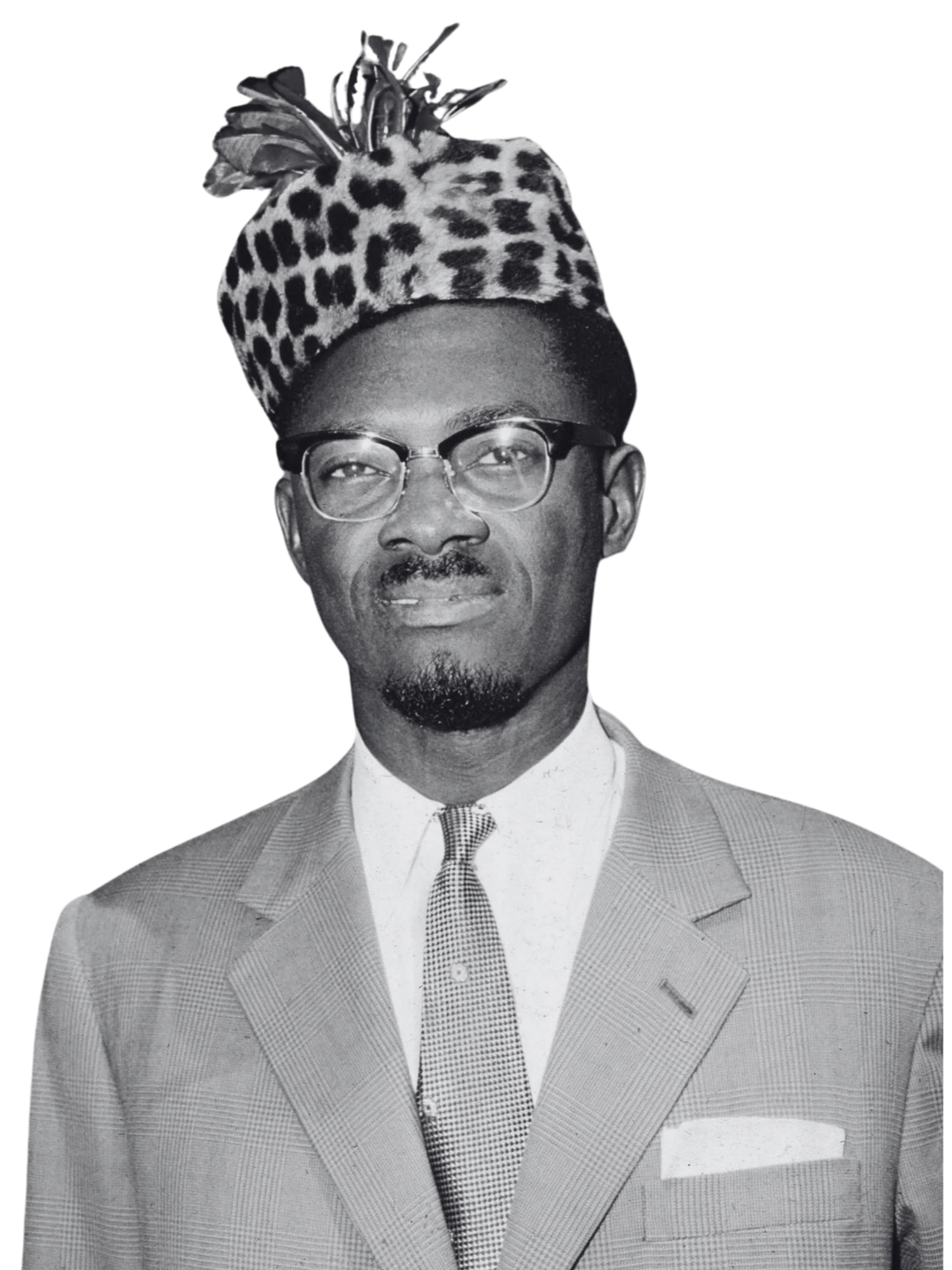
Patrice Lumumba
Lumumba was a key figure in the Congolese independence movement and played a significant role in the country's struggle for freedom from Belgian colonial rule. He was a charismatic and impassioned orator who advocated for national unity, sovereignty, and social justice.
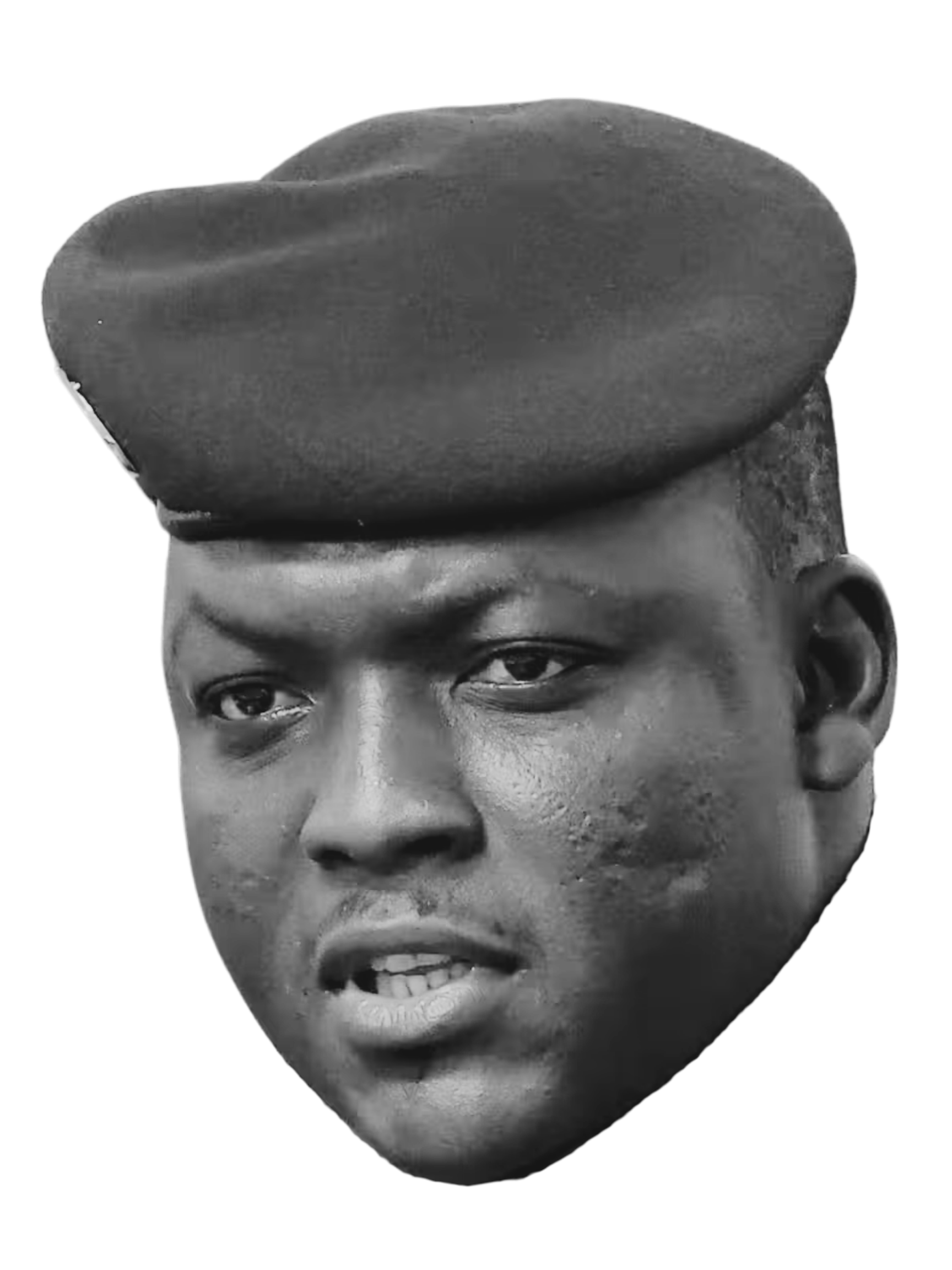
Ibrahim Traoré
Captain Ibrahim Traoré is a transformative force—courageous, visionary, and beloved. Though his path is steep and fraught with risk, he stands as an inspiring figure of African resurgence. His journey represents not only Burkina Faso’s revival but a potential new chapter for pan-African leadership.
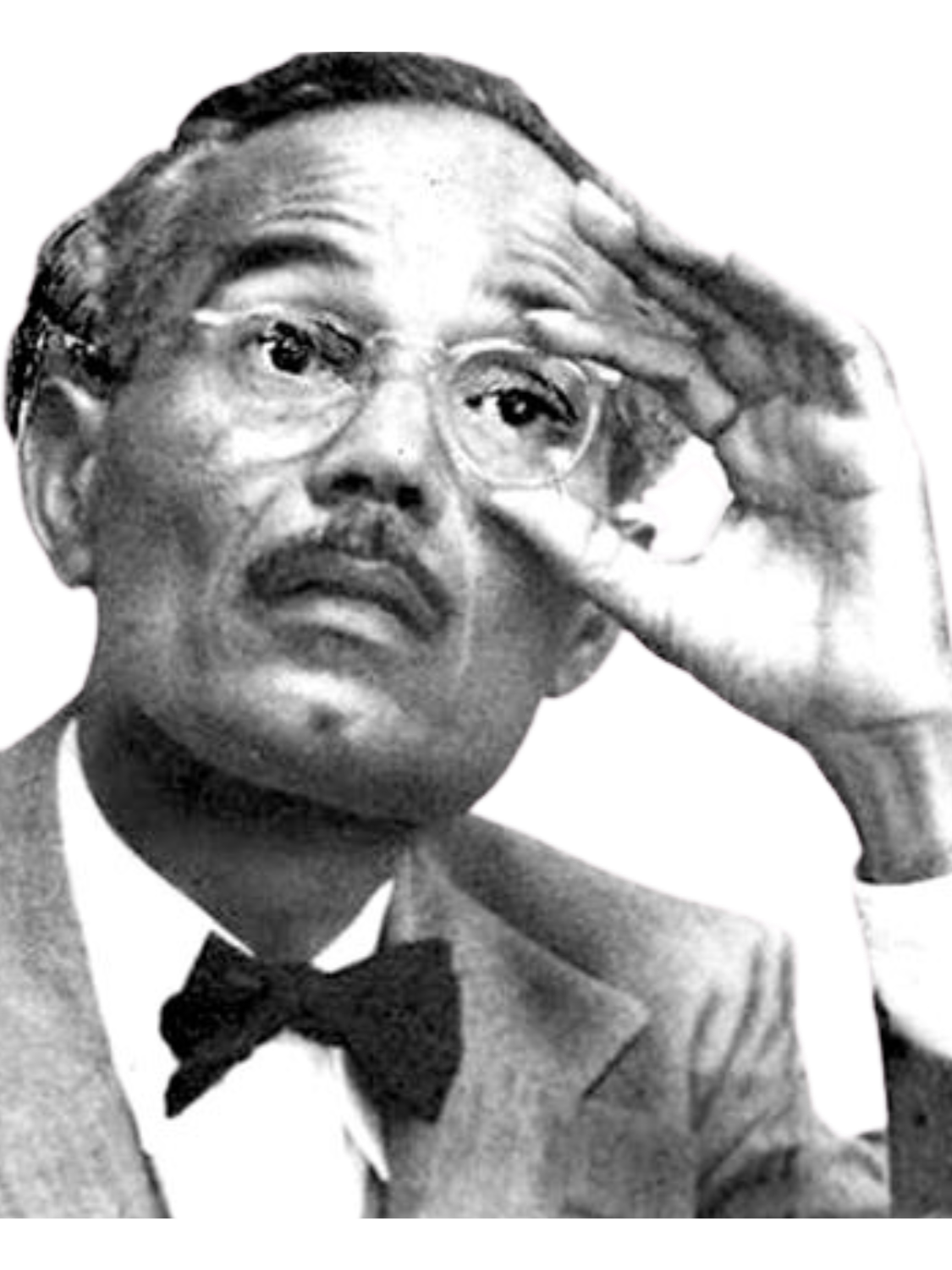
Pedro Albizu Campos
Pedro Albizu Campos (1891–1965) was a Puerto Rican nationalist leader, lawyer, and advocate for the independence of Puerto Rico. He is a significant figure in Puerto Rican history due to his efforts to promote and fight for the island's sovereignty from the United States.
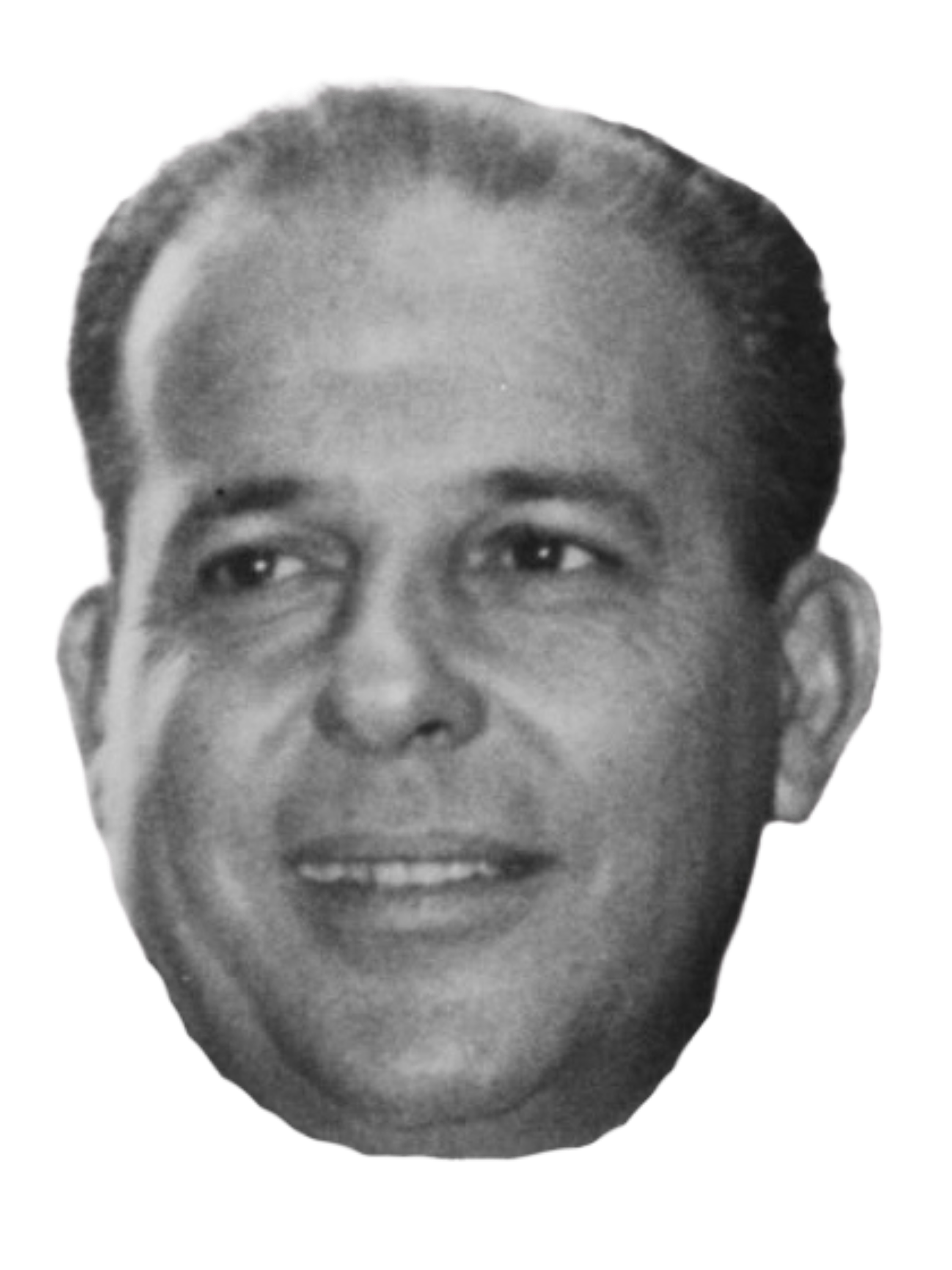
João Goulart
Goulart represents what Latin American democracy could have become if Washington had honored it rather than dismantled it. His reforms were not radical by any honest standard — land for the landless, fair wages, voting rights for the illiterate, Brazilian oil for Brazilians. What made them threatening was not their content but their constituency: the poor, the worker, the peasant, the majority.
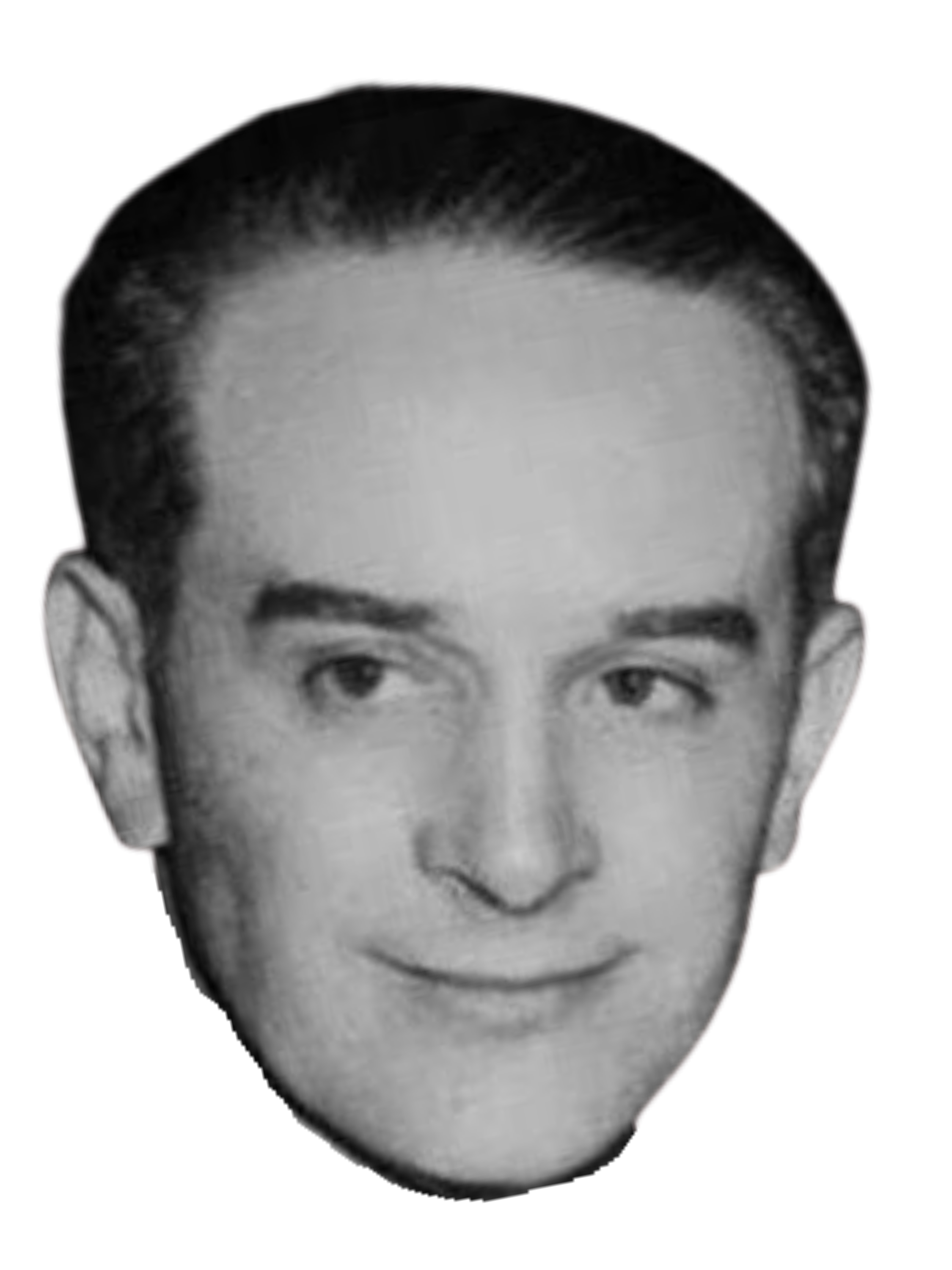
Jacobo Árbenz
In 2011, the Guatemalan government finally formally acknowledged what was done. President Álvaro Colom issued an official apology to the Árbenz family, calling the coup a "crime against Guatemalan society committed by the CIA and Guatemalans with bad intentions." At the National Palace ceremony, Colom said: "It was above all a crime against him, his wife, his family, but also a historic crime for Guatemala. This day changed Guatemala and we still haven't recovered."
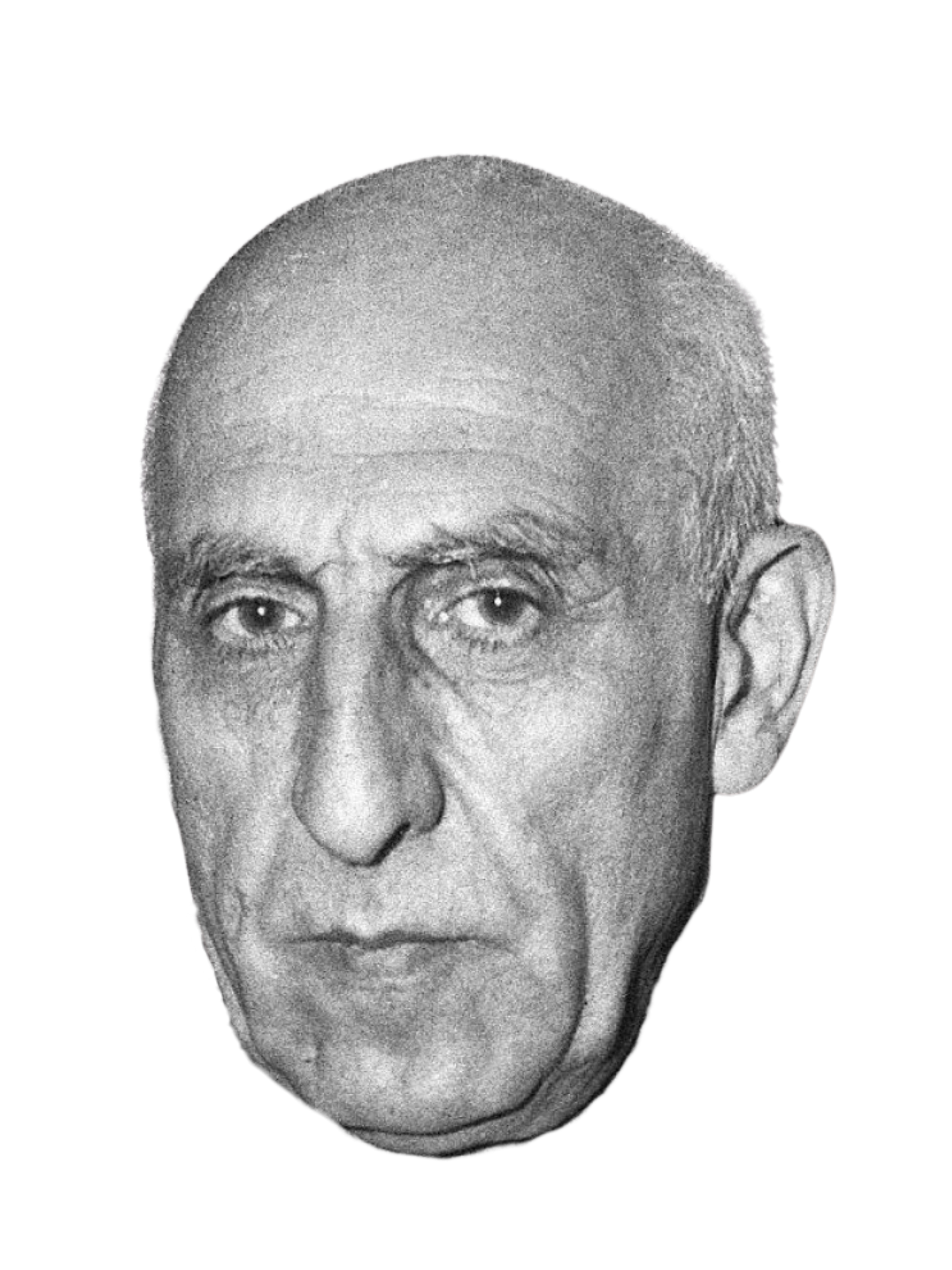
Mohammad Mosaddegh
Mohammad Mosaddegh was Iran's democratically elected Prime Minister, and the man who nationalized Iran's oil industry, which had been controlled by the British since 1913, with profits flowing overwhelmingly out of Iran. His administration introduced unemployment compensation, land reform, and worker protections — a government building toward genuine sovereignty. Britain responded not with negotiation, but with a plan to remove him.
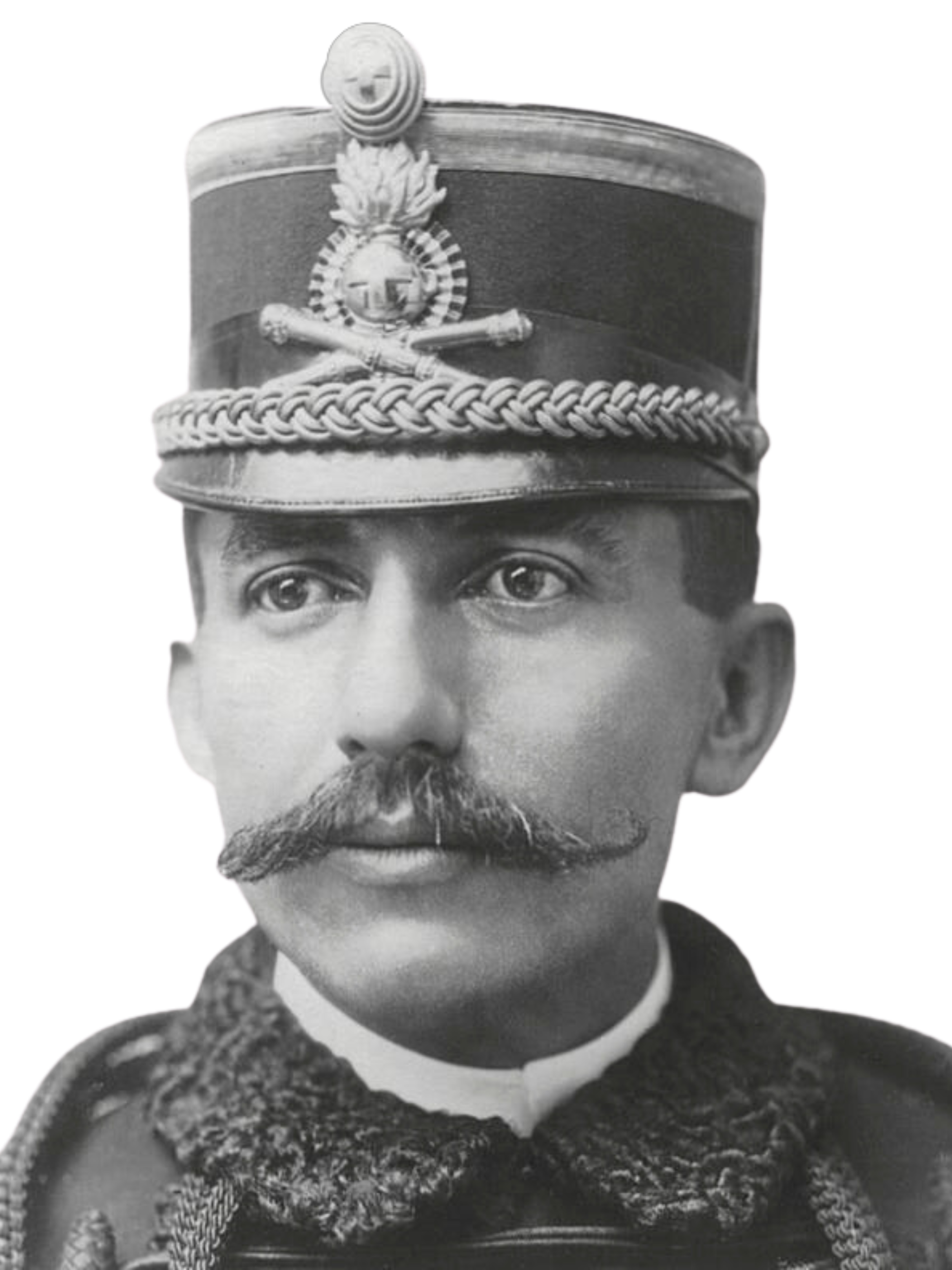
Robert W. Wilcox
Robert W. Wilcox's life spanned a crucial period in Hawaiian history when the islands were undergoing significant political changes. His actions were often influenced by a desire to maintain or restore native Hawaiian political power in the face of growing foreign influence.
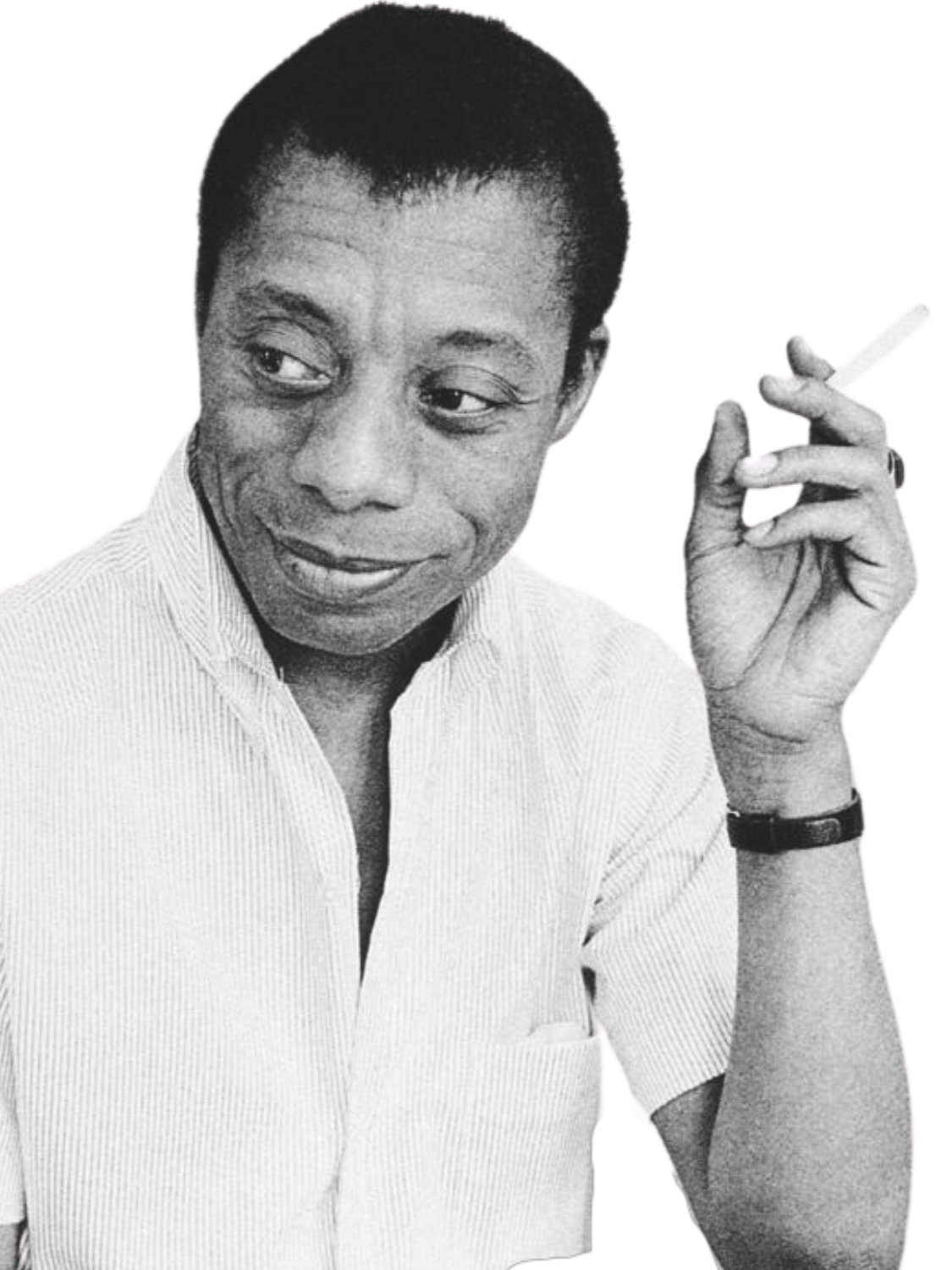
James Baldwin
James Baldwin was a prolific African-American writer, essayist, novelist, and social critic whose work made a profound impact on American literature and civil rights activism. Here's an overview of his life and contributions.

Yuri Kochiyama
Yuri Kochiyama was a Japanese-American civil rights activist. Kochiyama's activism was influenced by her experiences, including her family's internment during World War II, her friendship with Malcolm X, and her involvement in various social justice causes.
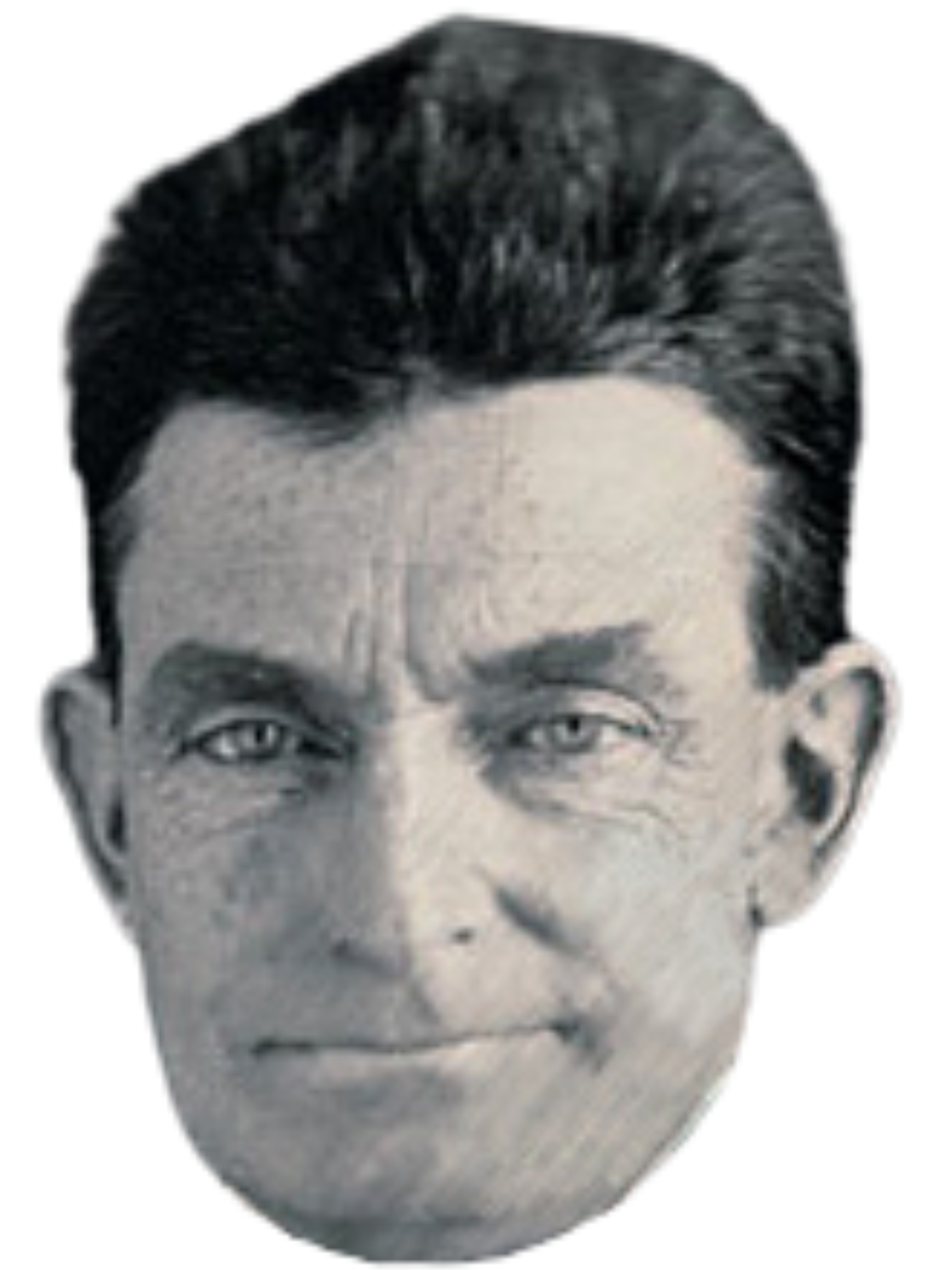
John Brown
John Brown was a fervent, militant abolitionist who believed slavery could only end through moral and physical force. His actions in Kansas and at Harpers Ferry made him one of the most controversial, yet consequential figures in American history—his execution was a catalyst that helped ignite the Civil War, and his legacy continues to provoke reflection on the cost of justice and the methods to achieve it.
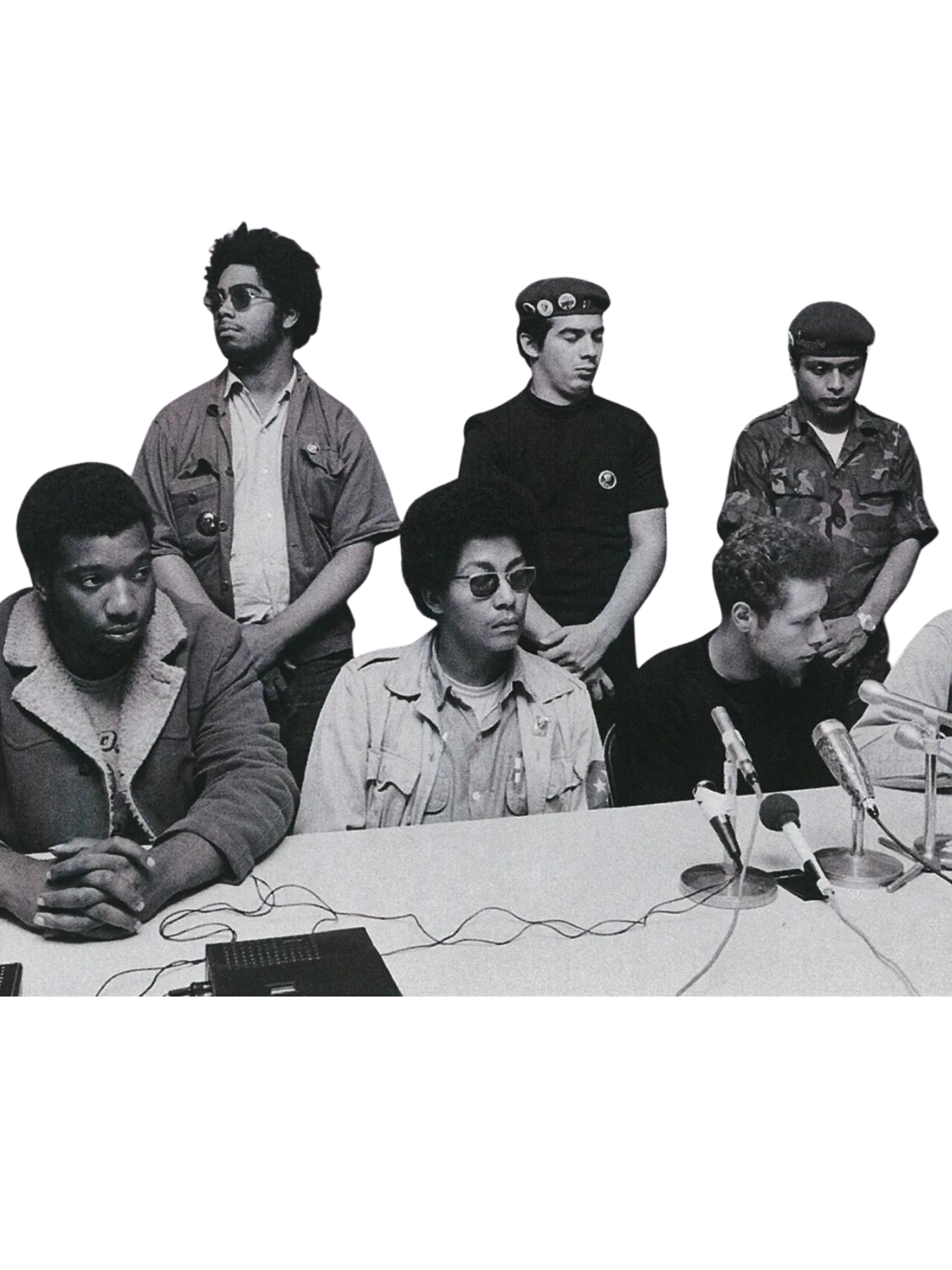
The Rainbow Coalition
The Rainbow Coalition of 1969 was an unorthodox political alliance that emerged in the United States, primarily during the late 1960s and early 1970s. It was a multi-racial, multi-ethnic, and multi-issue coalition that sought to address various social and economic injustices. Here's what you need to know about this important historical movement.