
DOCUMENTARIES
Documentaries play a vital role in illuminating the lived realities of people who are too often marginalized, silenced, or misrepresented, offering necessary context to stories that history, media, and institutions have left untold. They create space for deeper understanding by centering voices, struggles, and perspectives that challenge dominant narratives and invite empathy, accountability, and reflection. This list has been intentionally curated to provide a diverse lens across many sectors of life, history, politics, culture, labor, art, and resistance, highlighting the interconnected nature of these experiences.
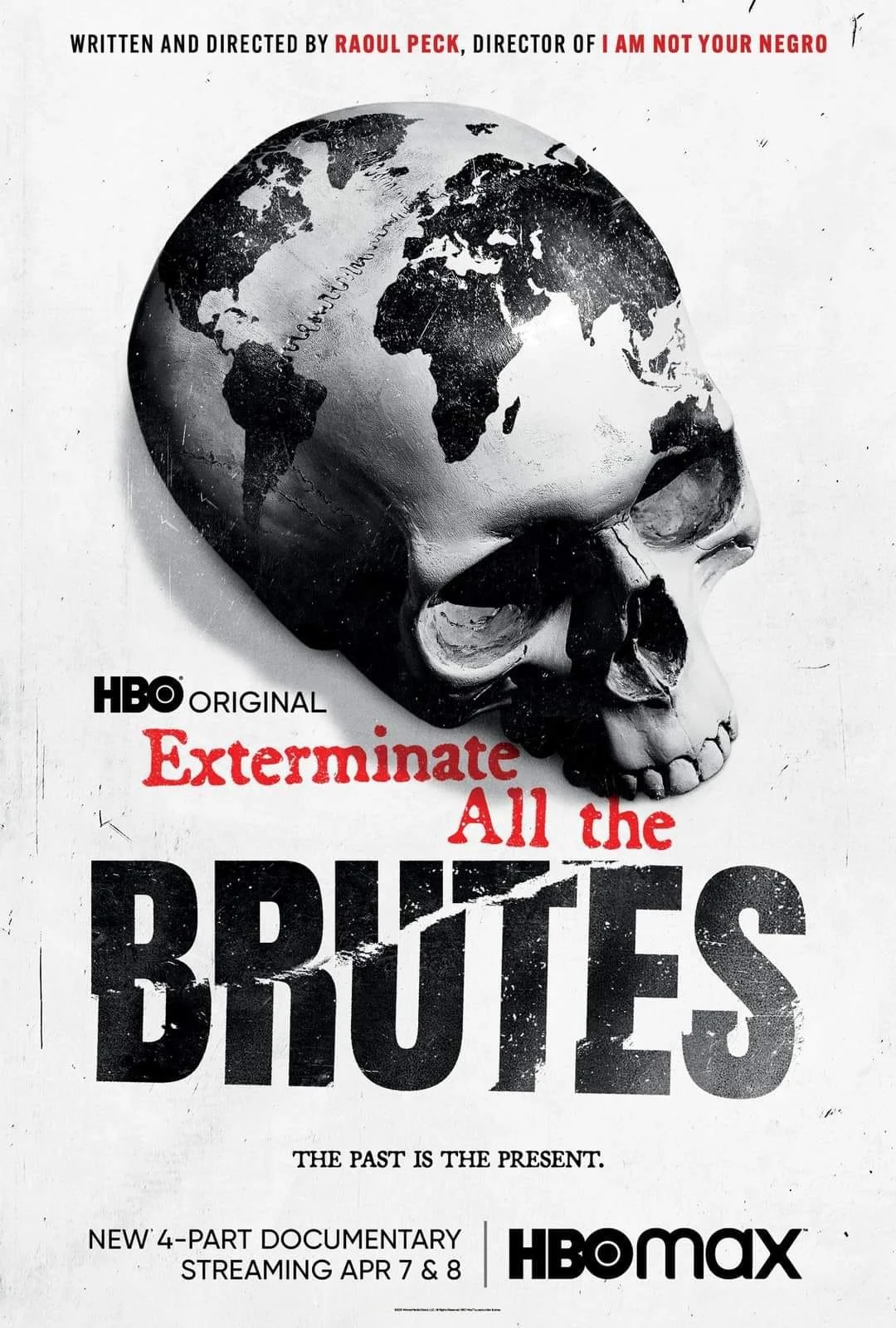
Exterminate All the Brutes ⭐️
Exterminate All the Brutes is a bold, genre-blending documentary by Raoul Peck that dismantles the myths of Western civilization and exposes the violent roots of colonialism and white supremacy. Through archival footage, dramatization, and piercing analysis, it confronts the history of empire—and challenges the stories we’ve been taught to believe.
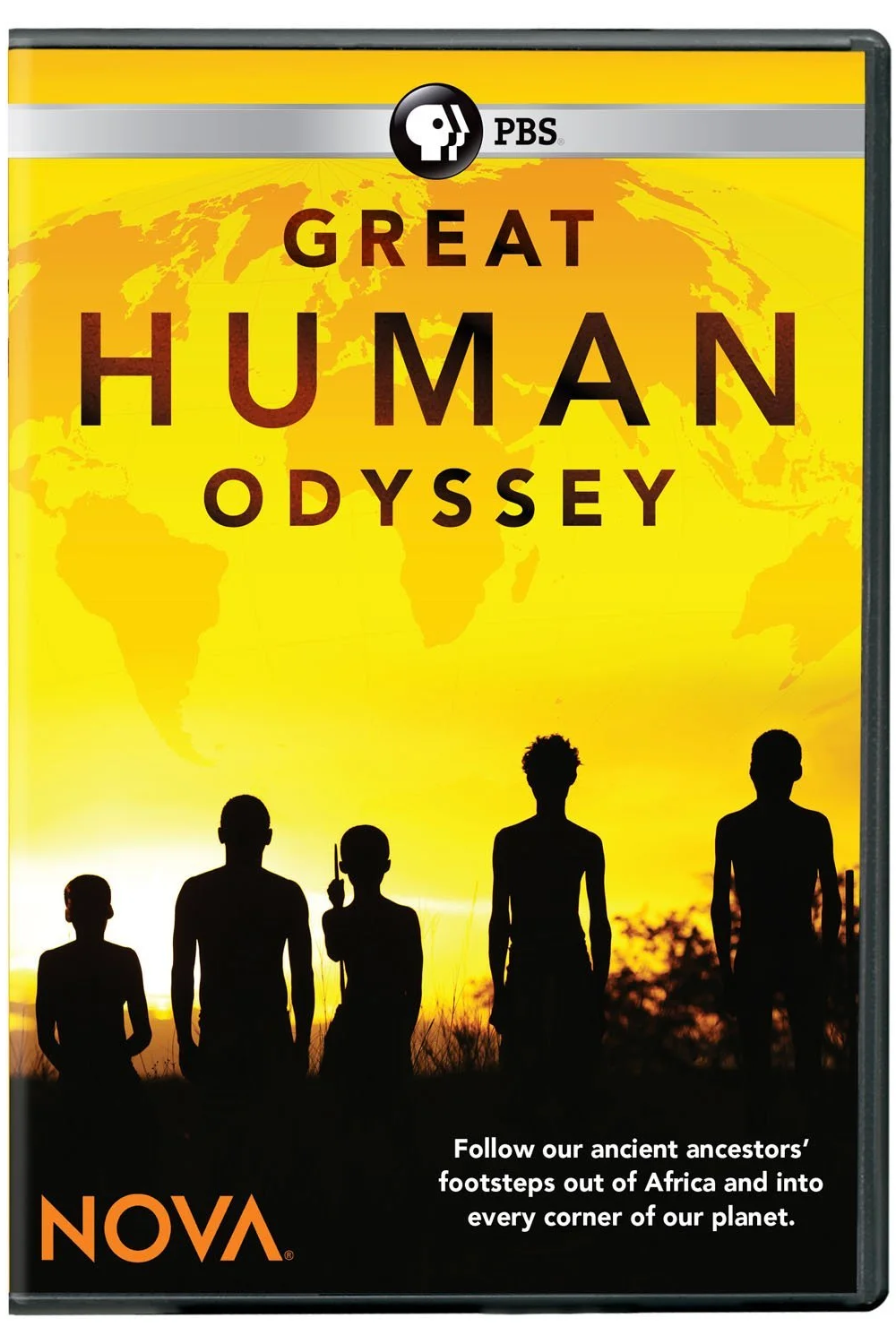
NOVA: Great Human Odyssey
NOVA: Great Human Odyssey is a sweeping scientific journey that traces the epic story of human migration out of Africa and across the globe. Blending cutting-edge archaeology, genetics, and stunning cinematography, the documentary reveals how early humans survived extreme climates, crossed vast landscapes, and became the most adaptable species on Earth.
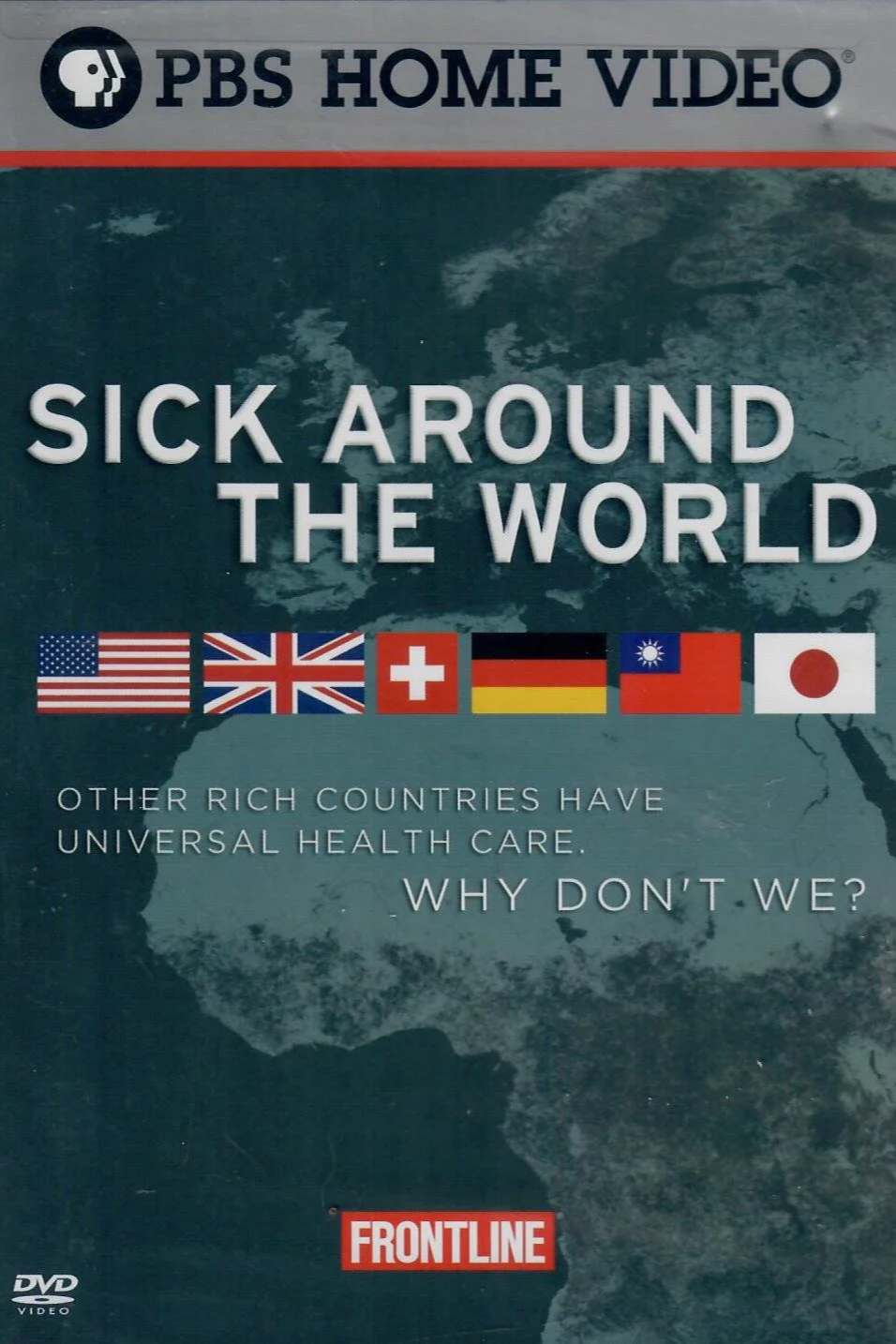
Frontline: Sick Around the World (2008
Frontline: Sick Around the World (2008) is a sharp, eye-opening documentary that compares healthcare systems in five capitalist democracies. Guided by journalist T. R. Reid, it explores how other nations deliver universal coverage—often at lower cost—challenging assumptions about how healthcare works in the United States.
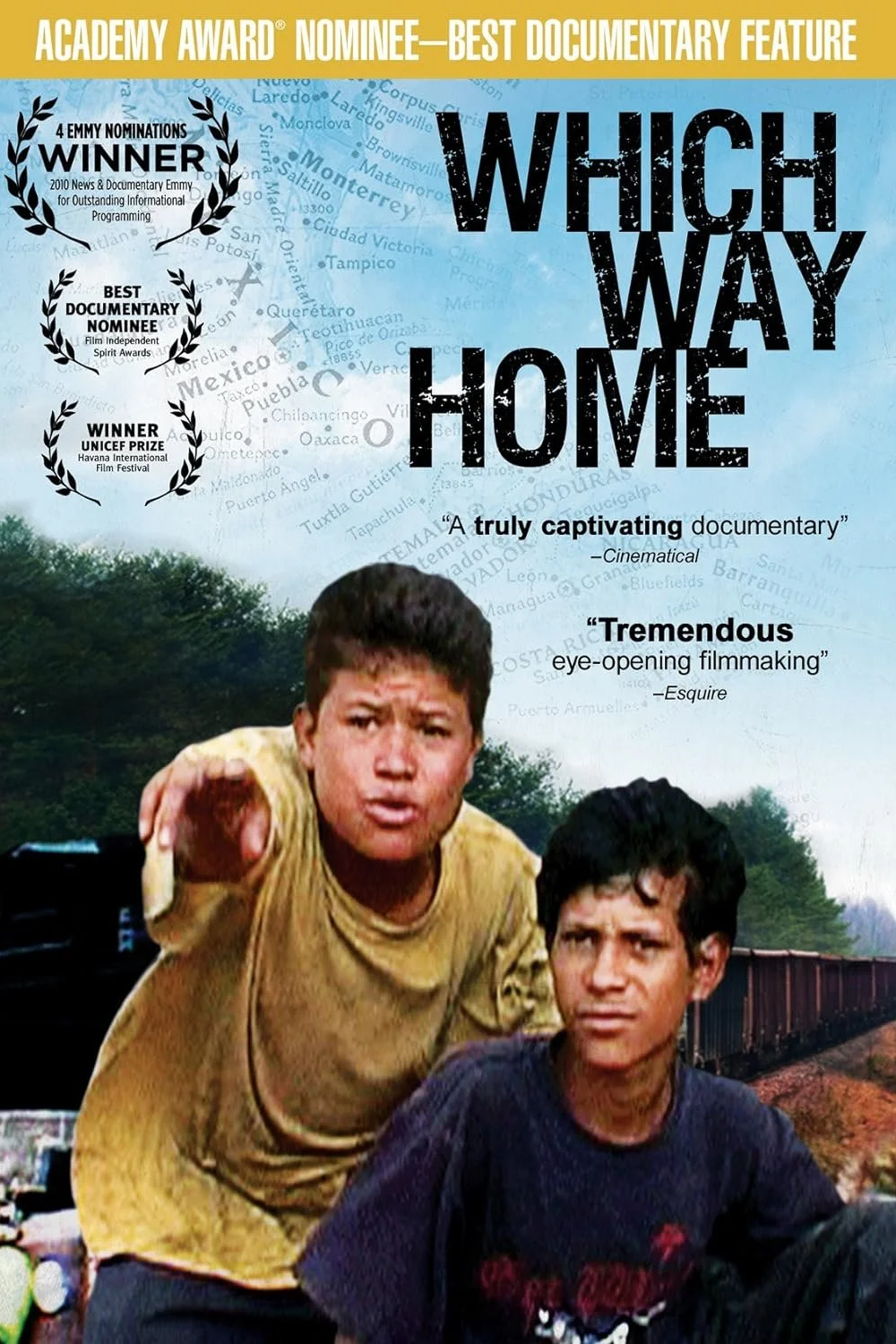
Which Way Home
Which Way Home is a heartbreaking HBO documentary that follows unaccompanied child migrants riding freight trains through Mexico toward the United States. Directed by Rebecca Cammisa, the film offers an intimate, unfiltered look at courage, vulnerability, and the harsh realities driving children to risk everything for a chance at safety and opportunity.
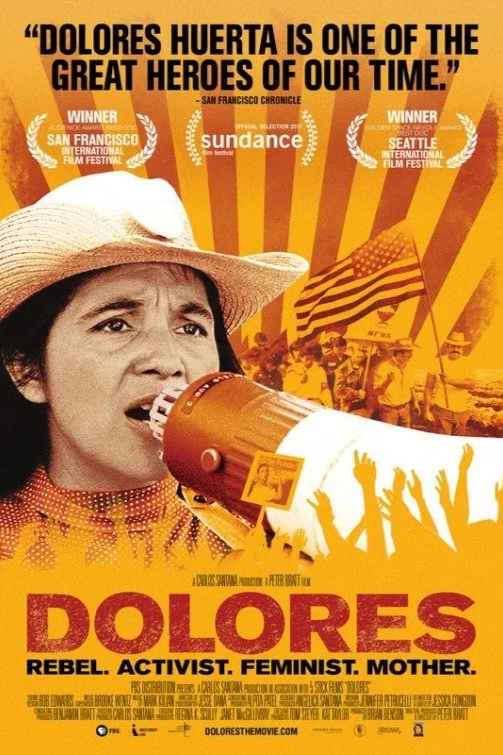
Dolores
Dolores is a powerful portrait of labor leader Dolores Huerta, co-founder of the United Farm Workers. The film chronicles her decades-long fight for farmworkers’ rights, revealing the fierce strategist and fearless organizer behind the rallying cry, “Sí, se puede.”
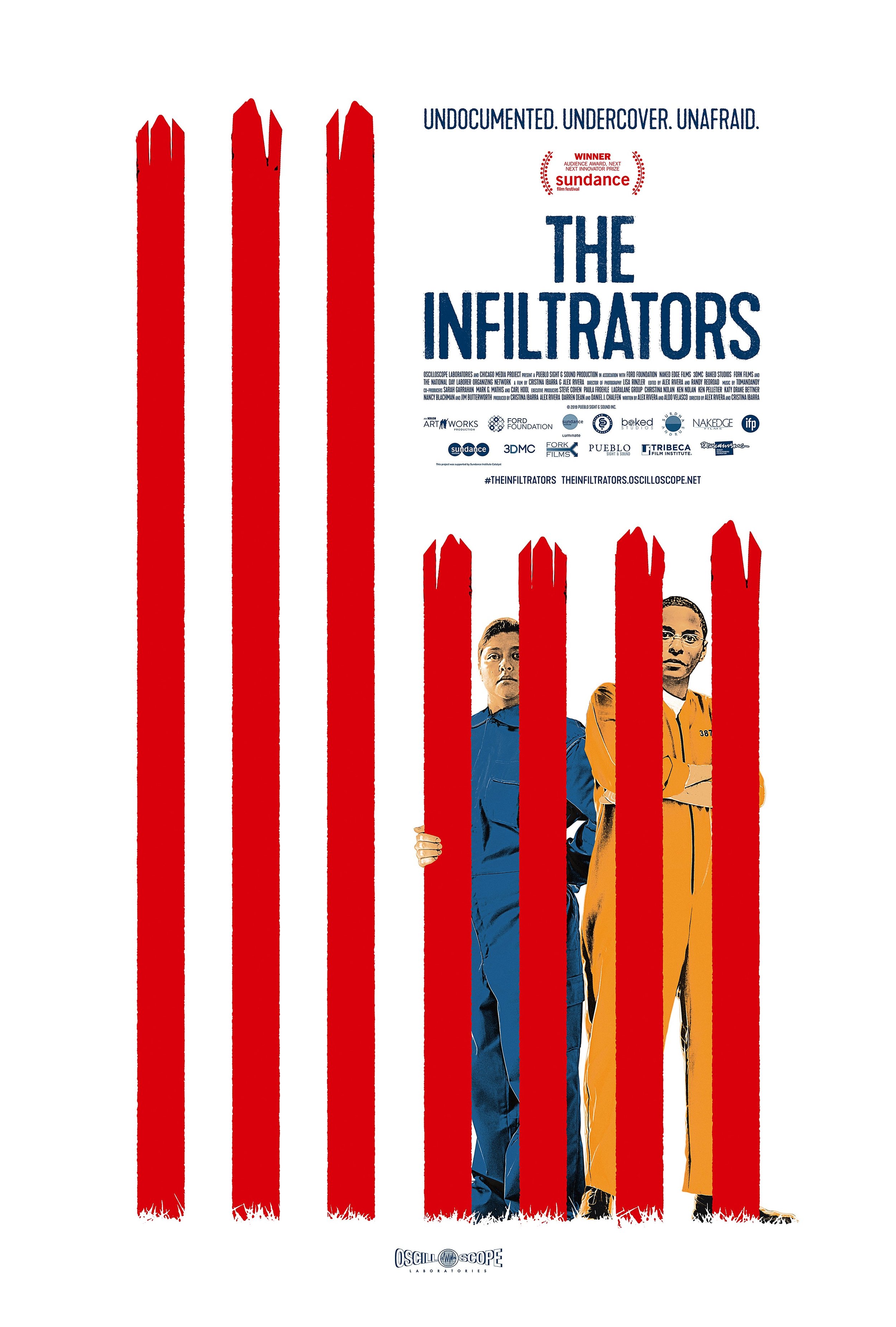
The Infiltrators
The Infiltrators is a gripping docudrama that follows young undocumented activists who deliberately enter a U.S. detention center to expose the immigration system from the inside. Directed by Cristina Ibarra and Alex Rivera, the film blends real-life testimony with reenactments, revealing a daring act of resistance against detention and deportation.
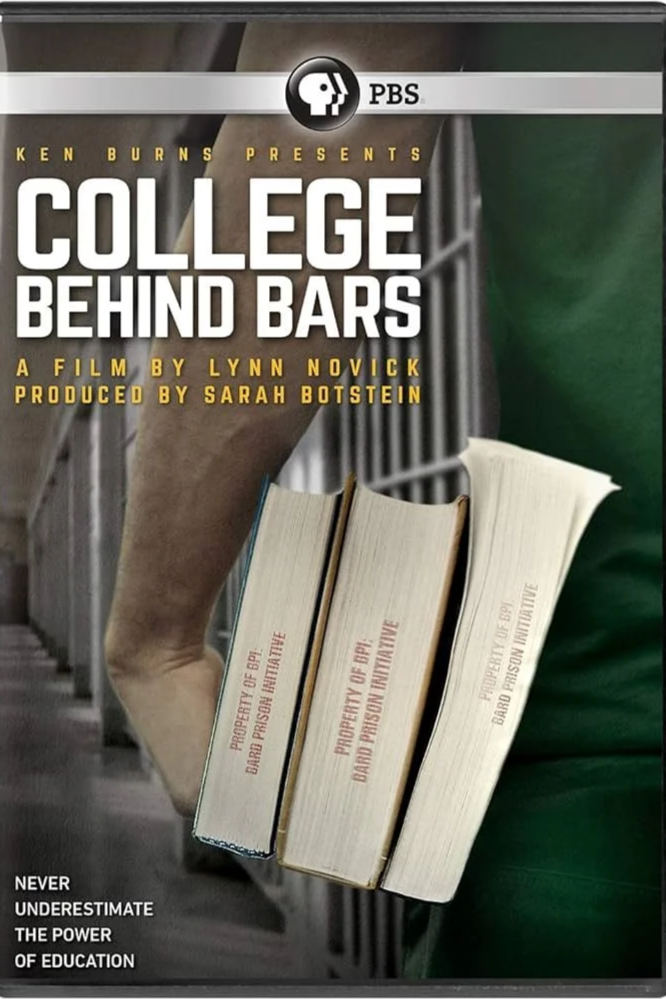
College Behind Bars
College Behind Bars is a powerful PBS series directed by Lynn Novick that follows incarcerated men and women pursuing college degrees through the Bard Prison Initiative. With intimacy and depth, the series challenges assumptions about crime and punishment, revealing the transformative power of education inside America’s prisons.
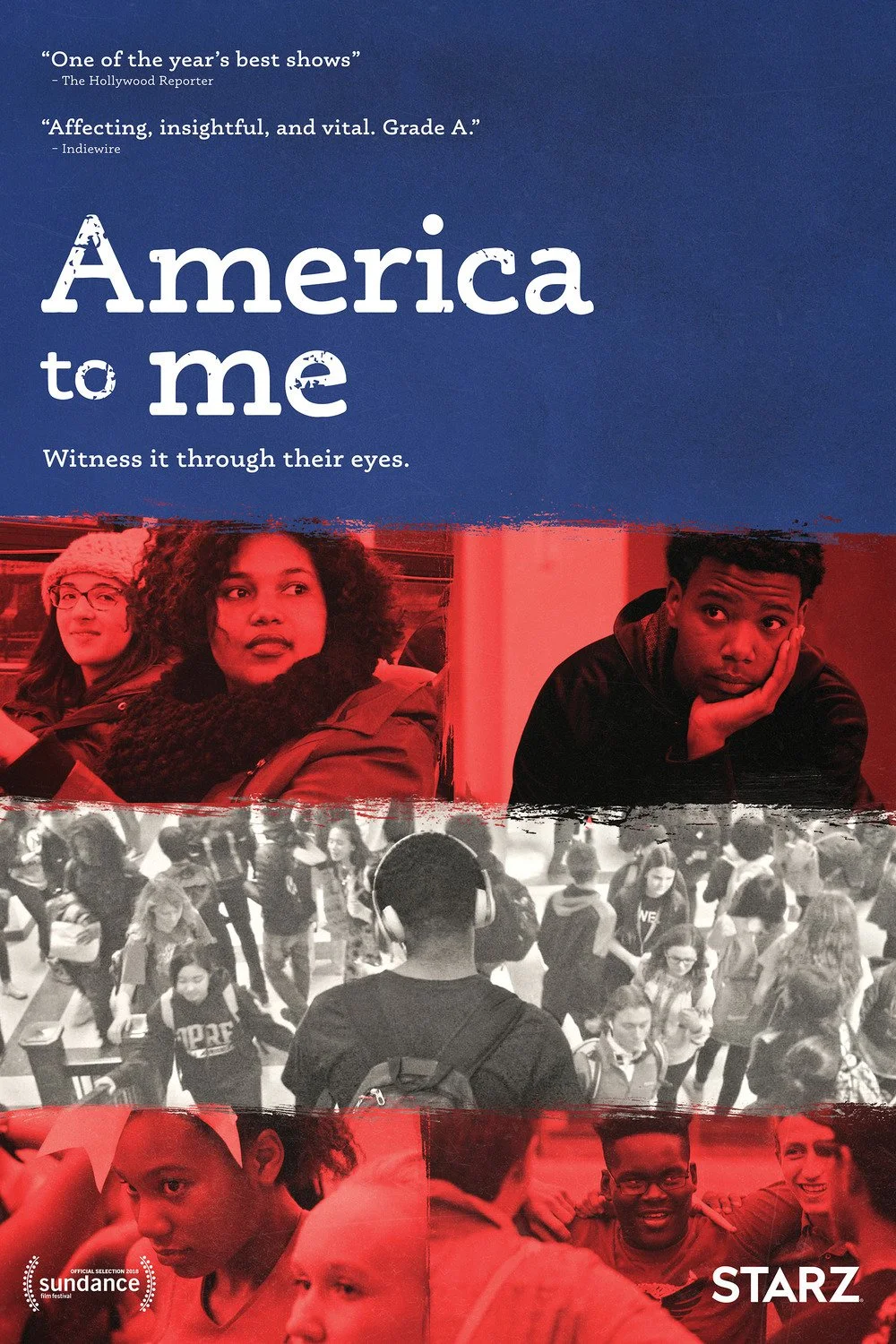
America to Me
America to Me is a deeply intimate, yearlong portrait of race, identity, and inequality inside a suburban Chicago high school. Directed by Steve James, the series follows students, families, and educators as they navigate the promises—and persistent fractures—of American education.
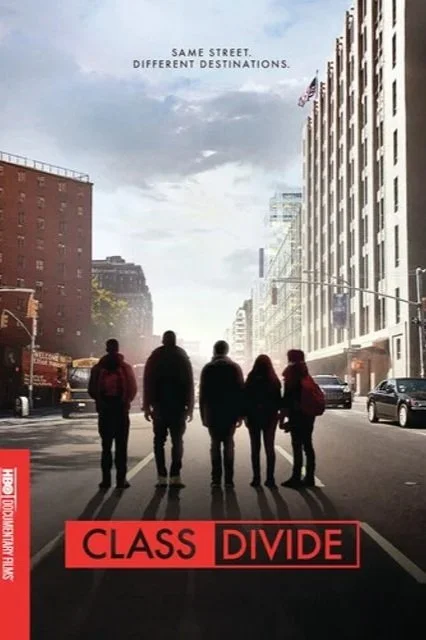
Class Divide
Class Divide is a piercing HBO documentary directed by Marc Levin that explores widening inequality in New York City. Set in Chelsea amid rapid gentrification, the film contrasts the lives of public housing residents with students attending an elite private school—revealing how geography, privilege, and policy quietly shape opportunity in modern America.
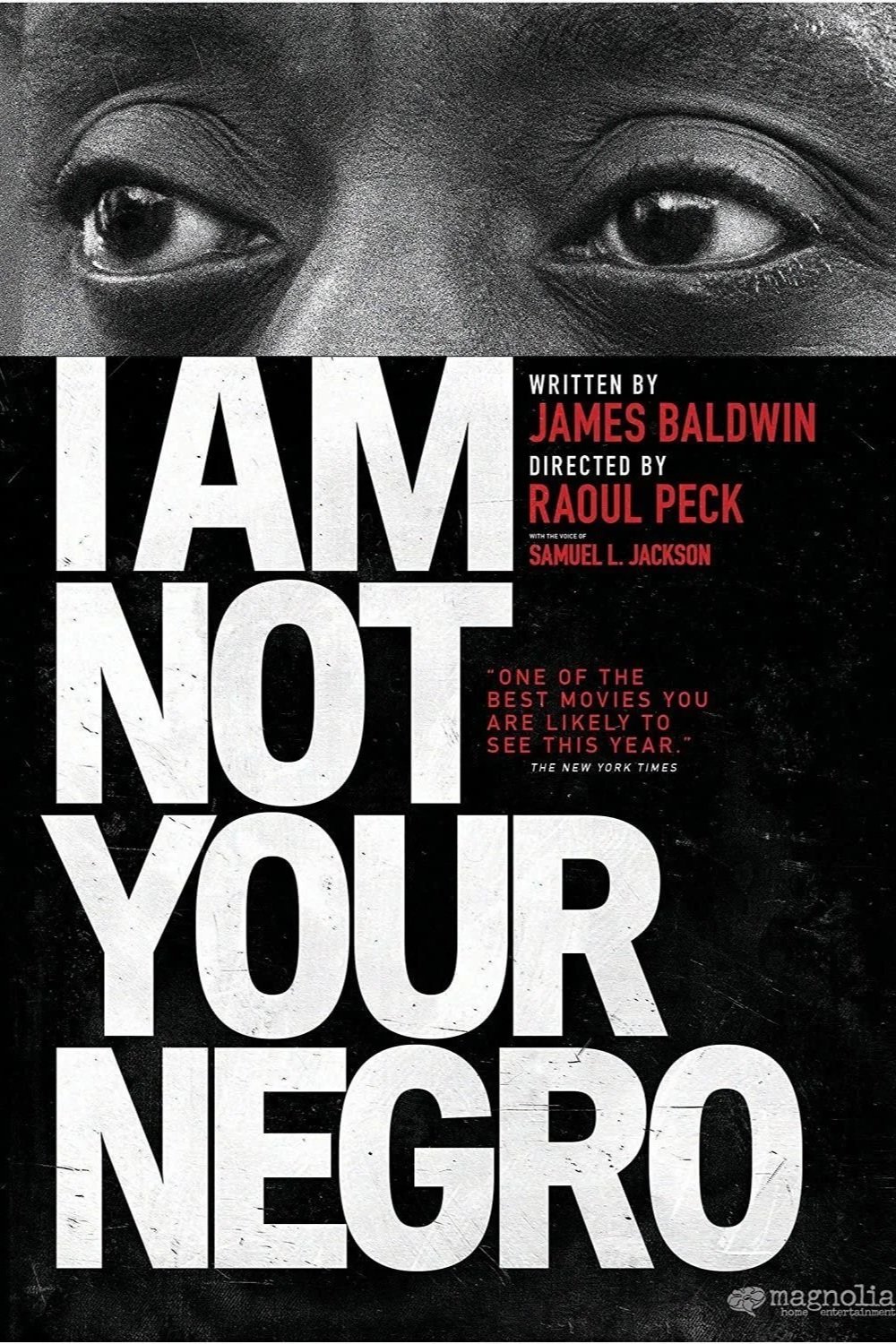
I Am Not Your Negro
I Am Not Your Negro is a haunting, incendiary documentary directed by Raoul Peck, built around the unfinished manuscript of James Baldwin. Through Baldwin’s words—voiced by Samuel L. Jackson—the film confronts America’s history of racism and unflinchingly connects the civil rights era to the present day.
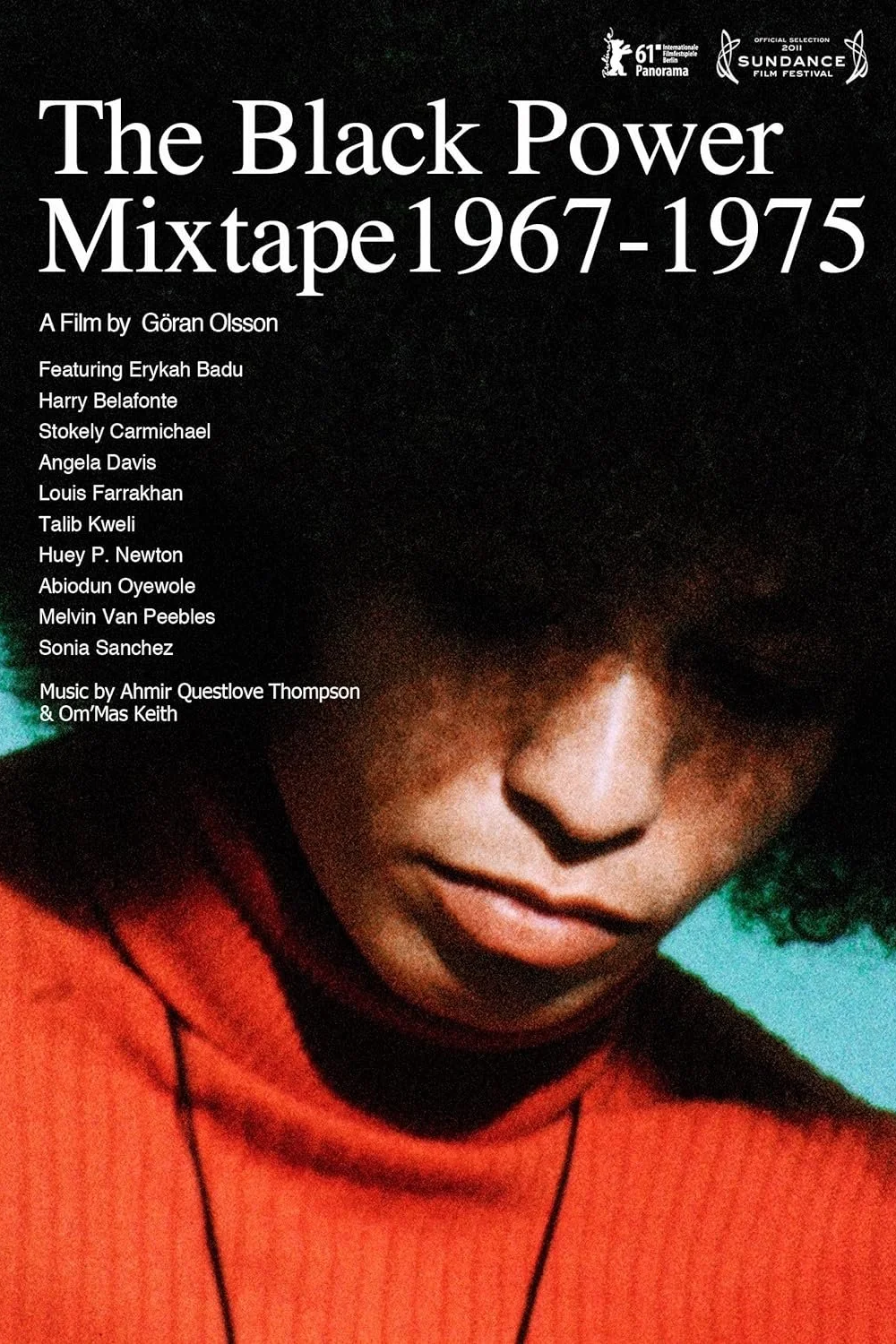
The Black Power Mixtape 1967–1975
The Black Power Mixtape 1967–1975 is a visually striking documentary directed by Göran Olsson, built from rare Swedish archival footage of the American Black Power movement. Featuring interviews with figures like Angela Davis and Stokely Carmichael, the film reframes a turbulent era through an outsider’s lens—capturing the urgency, intellect, and global resonance of Black liberation struggles.
The Black Panthers: Vanguard of the Revolution
The Black Panthers: Vanguard of the Revolution is a riveting documentary directed by Stanley Nelson Jr. that chronicles the rise and fall of the Black Panther Party. Through rare archival footage and firsthand accounts, the film captures the movement’s bold challenge to police brutality, racial injustice, and state power—revealing a revolutionary vision that reshaped American politics.
The Alabama Solution
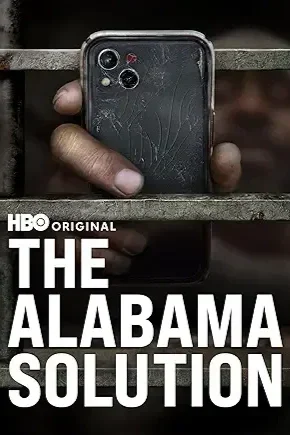
The Alabama Solution is a gripping HBO documentary directed by Andrew Jarecki and Charlotte Kaufman that exposes a shocking experiment inside Alabama’s prison system. Through secret recordings and insider accounts, the film reveals how violence and isolation were allegedly used as tools of control—raising urgent questions about power, punishment, and human rights behind bars.
Justice, USA
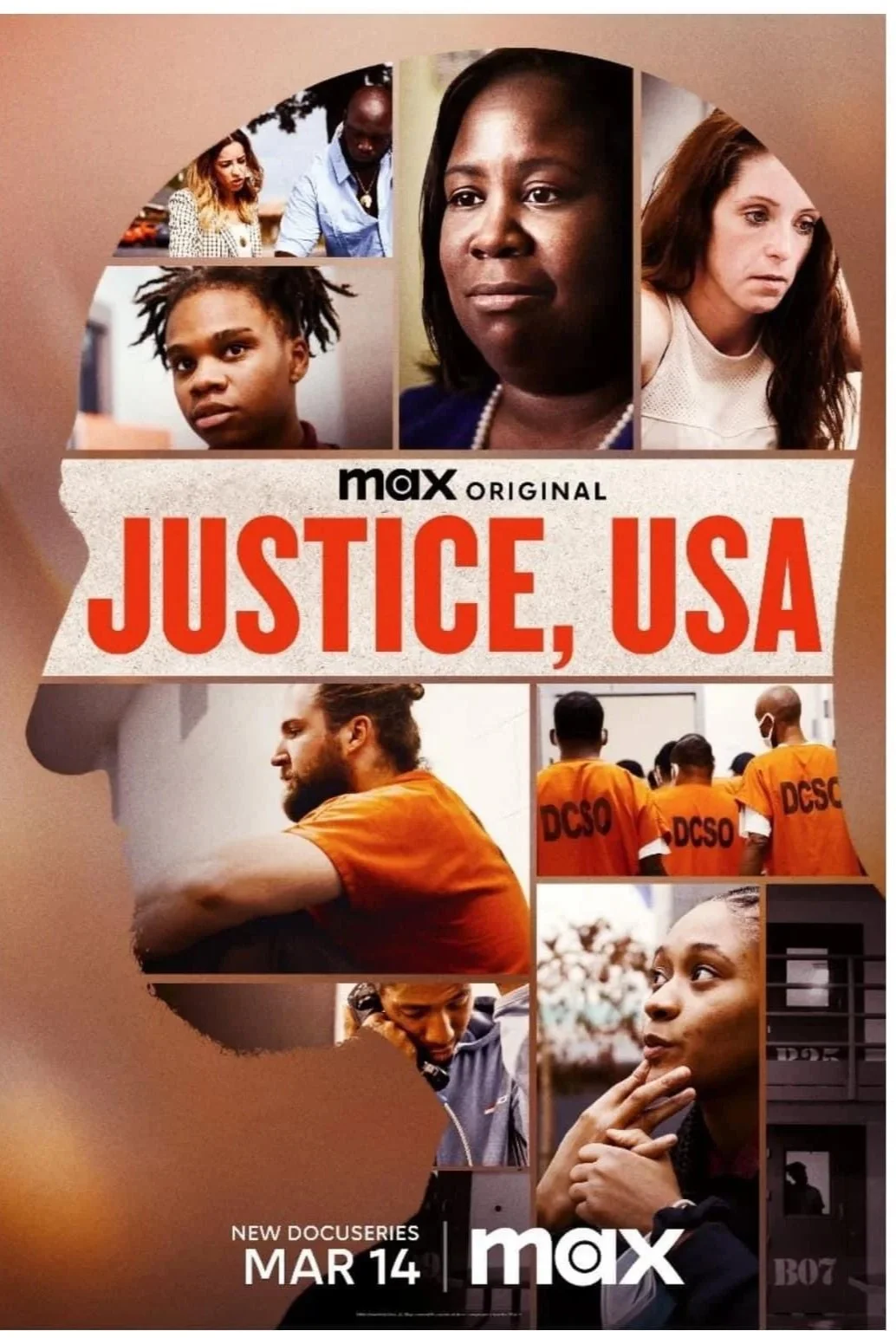
Justice, USA is a powerful, ground-level portrait of the movement to end mass incarceration in America. Following organizer DeAnna Hoskins, the film captures a bold campaign to shift billions from prisons to community investment—revealing the human stakes, political resistance, and radical hope behind the fight for a more just system.
Time: The Kalief Browder Story
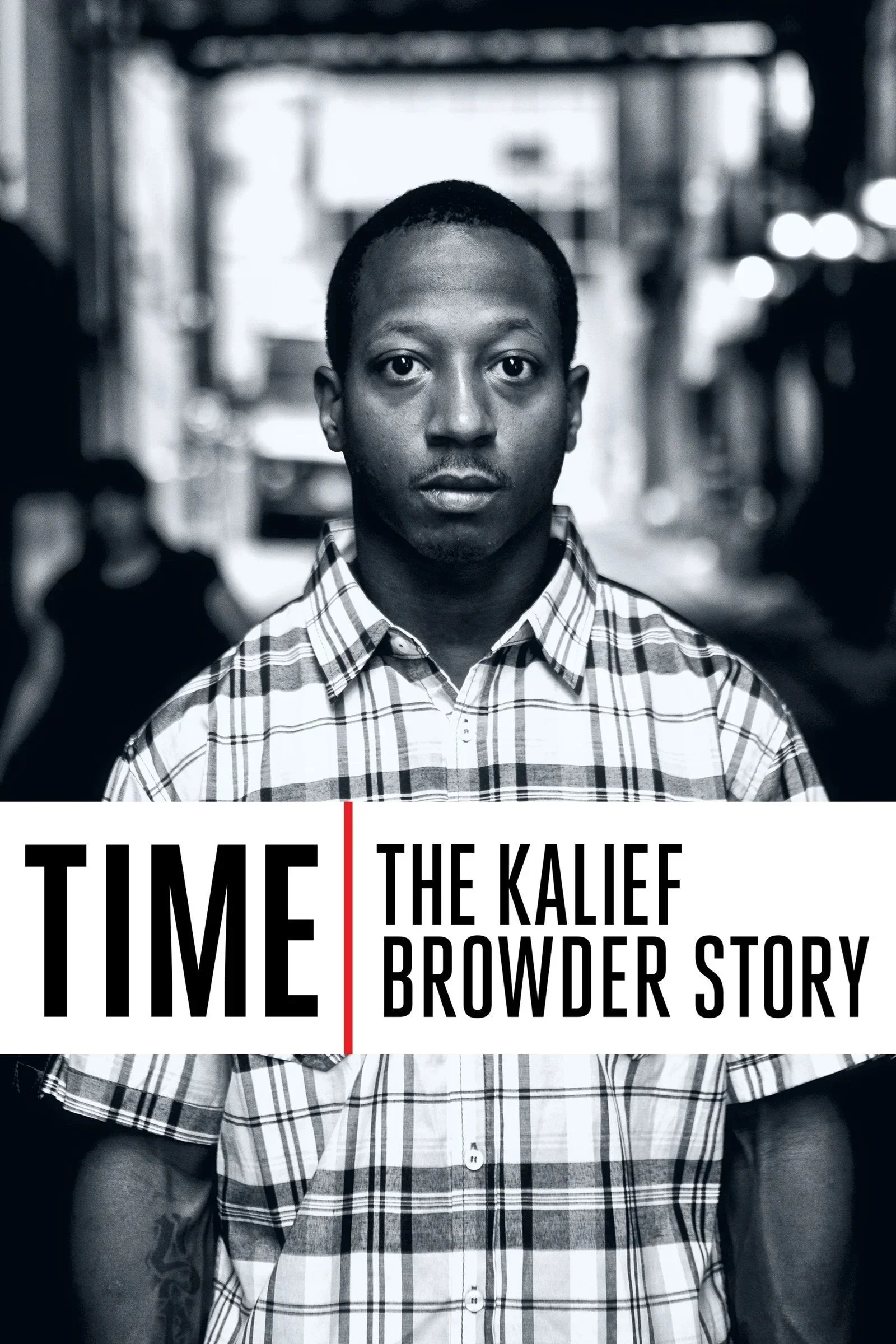
Time: The Kalief Browder Story is a haunting documentary series that chronicles the life of Kalief Browder, a Bronx teenager who spent three years in jail—much of it in solitary confinement—without ever being convicted of a crime. Through intimate interviews and chilling footage, the series exposes the devastating human cost of America’s justice system and the lasting impact of injustice on one young life.
Dawnland
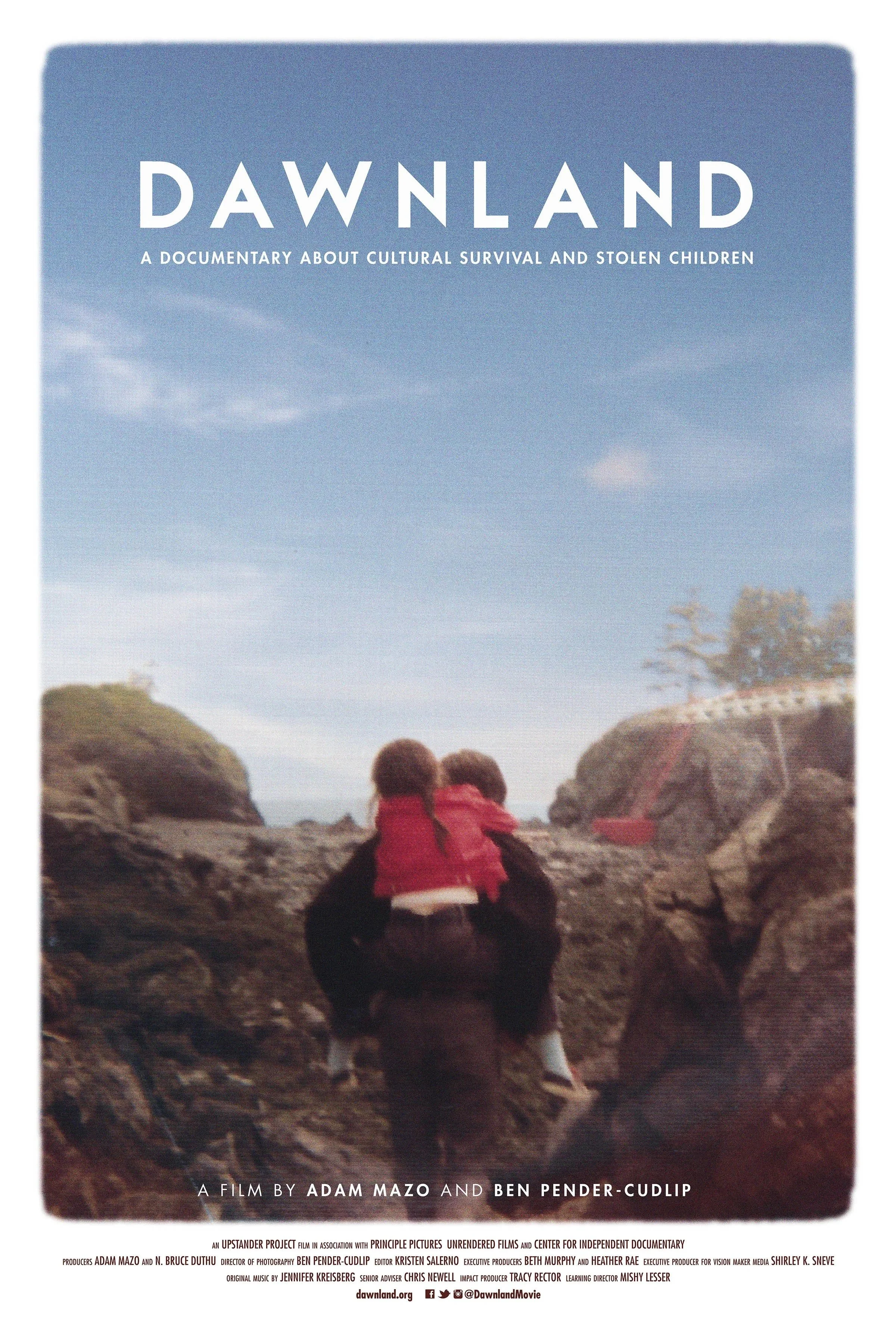
Dawnland is a powerful documentary that follows Maine’s first Truth and Reconciliation Commission as it investigates the forced removal of Wabanaki children from their families. Directed by Adam Mazo and Ben Pender-Cudlip, the film confronts the legacy of state-sanctioned child welfare practices—revealing the resilience of Indigenous communities seeking truth, accountability, and healing.
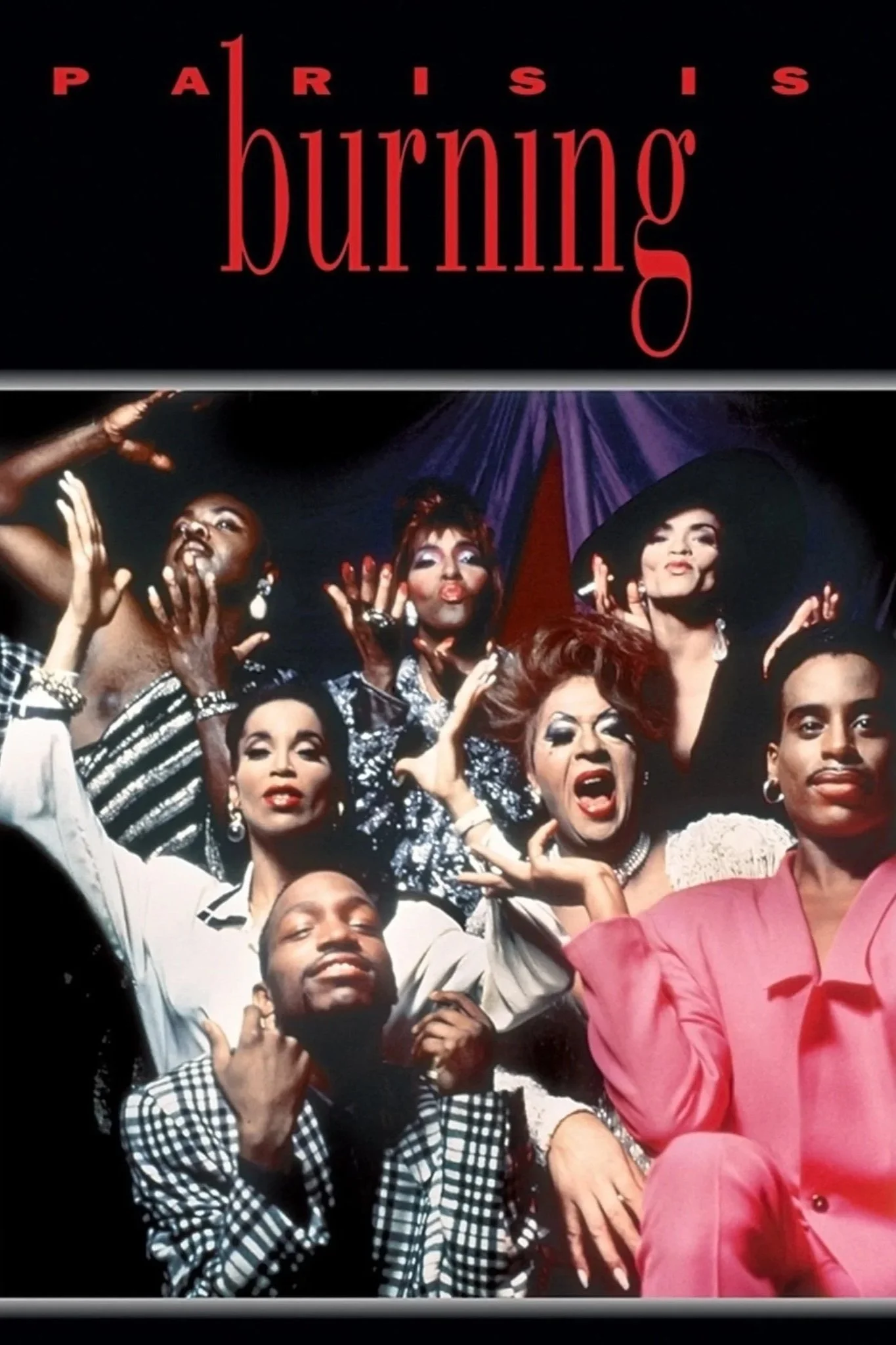
Paris Is Burning
Paris Is Burning is a groundbreaking documentary directed by Jennie Livingston that immerses viewers in New York City’s underground ballroom scene of the 1980s. Through intimate portraits of Black and Latino LGBTQ+ performers, the film captures a vibrant world of chosen family, fierce competition, and radical self-expression—revealing how identity, survival, and glamour collide in the face of exclusion.
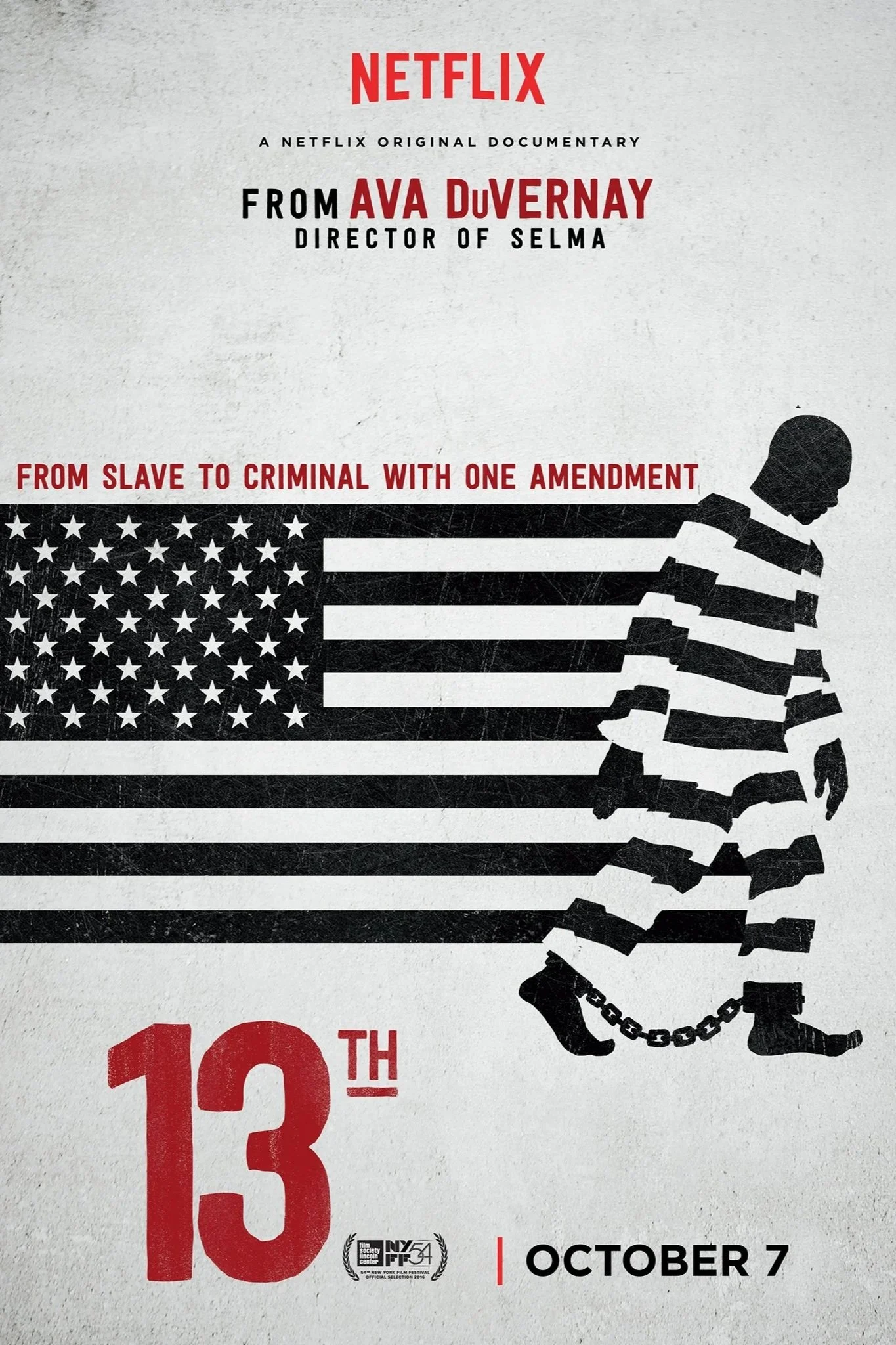
13th
13th is a powerful documentary directed by Ava DuVernay that traces the link between slavery, racial terror, and mass incarceration in the United States. Through expert interviews and archival footage, the film argues that the 13th Amendment’s loophole transformed bondage into a new system of control—forcing viewers to confront how the legacy of enslavement endures in modern prisons.
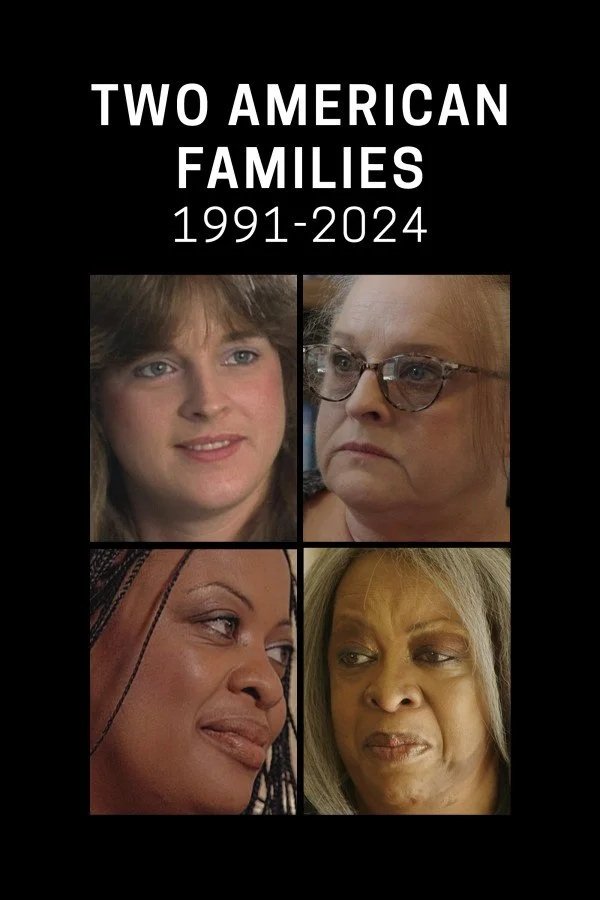
Two American Families: 1991-2024
Frontline: Two American Families: 1991–2024 is a sweeping, decades-long portrait of economic survival in America. Following two Milwaukee families across 30 years, the film reveals how deindustrialization, wage stagnation, and policy shifts reshape working-class life—offering an intimate, generational look at the fragility of the American Dream.
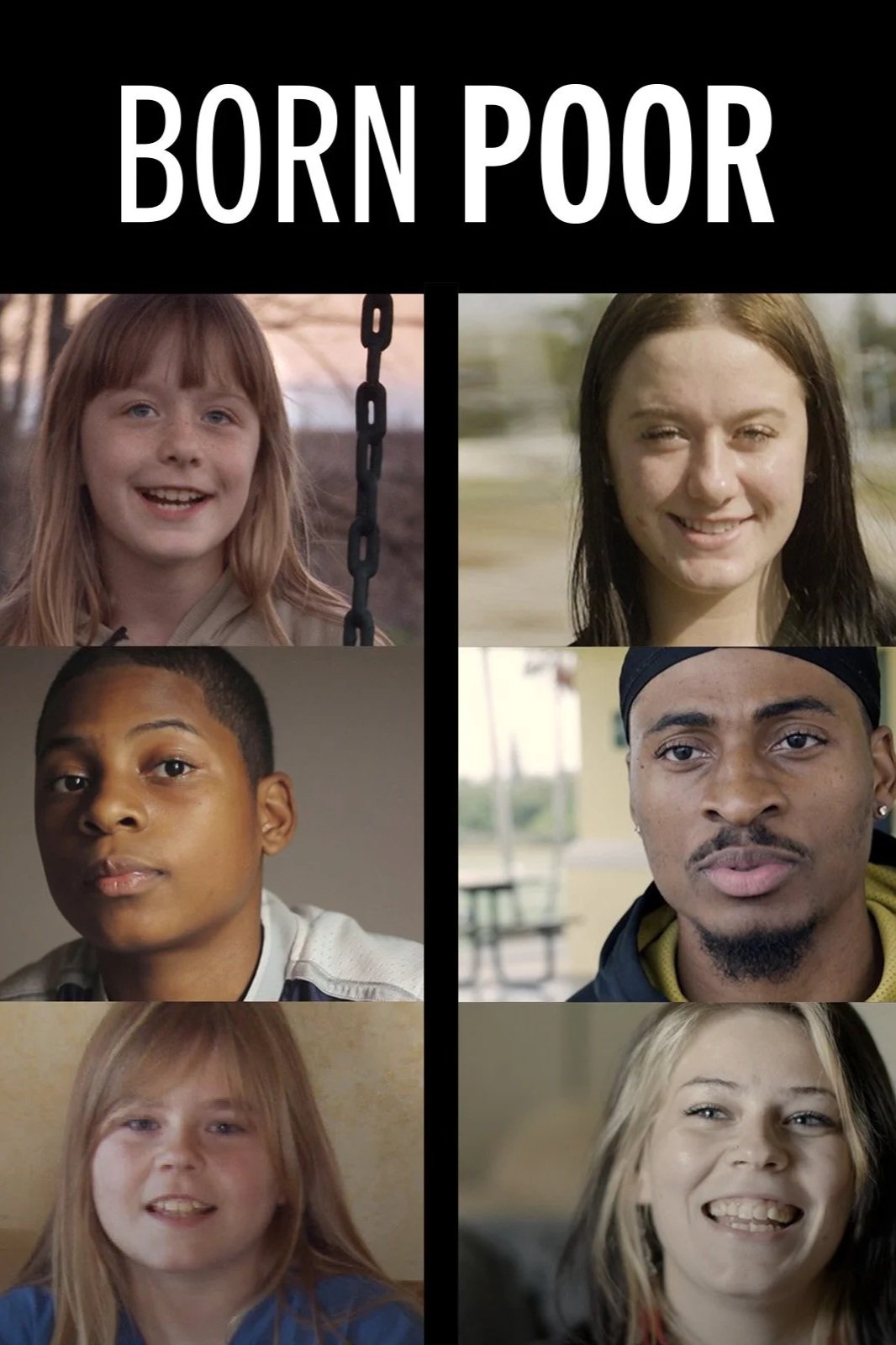
Born Poor
Born Poor—Filmed across 14 years, this documentary follows three Americans as they grow from kids to teenagers to young adults, trying to pursue their dreams while dealing with an economy where they face more obstacles than opportunities.
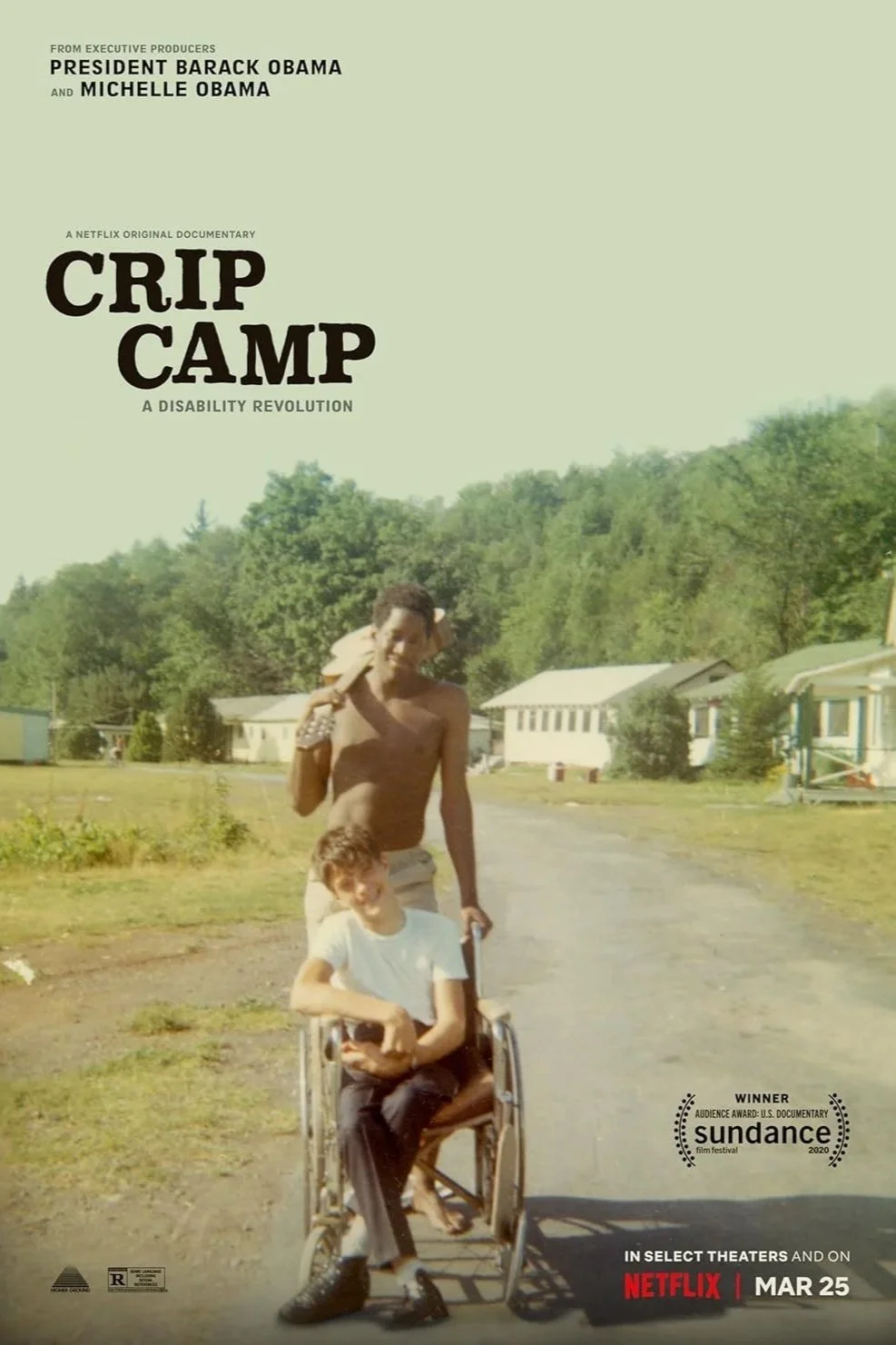
Crip Camp
Crip Camp is an inspiring documentary directed by Nicole Newnham and James LeBrecht that traces the roots of the disability rights movement to a radical 1970s summer camp. From teenage campers to fierce activists, the film captures how community, protest, and persistence ignited a revolution that reshaped accessibility and civil rights in America.
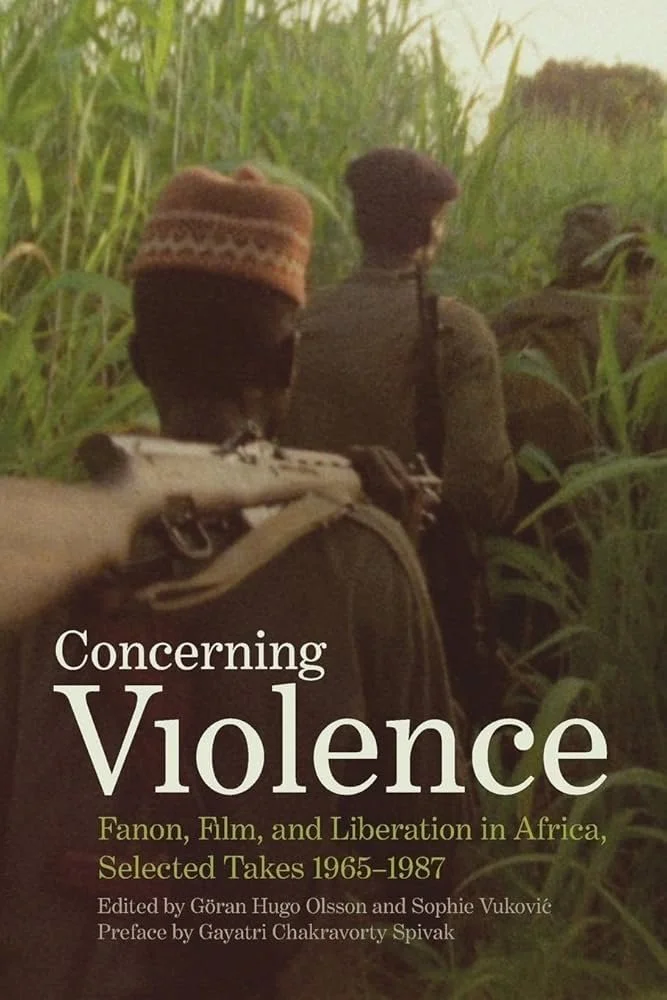
Concerning Violence
Concerning Violence is a fierce, visually arresting exploration of African liberation movements, inspired by the writings of Frantz Fanon. Directed by Göran Olsson and narrated by Lauryn Hill, the film fuses rare archival footage with revolutionary theory, confronting the moral and political realities of anti-colonial struggle.
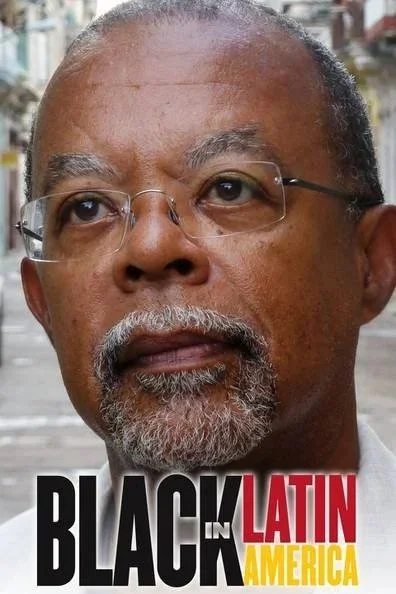
Black in Latin Americ
Black in Latin America is a compelling PBS series hosted by Henry Louis Gates Jr. that traces the African diaspora across Latin America. Traveling from Haiti to Brazil to Mexico, the series uncovers hidden histories of slavery, resistance, and cultural survival—revealing how race and identity shape the Americas far beyond U.S. borders.
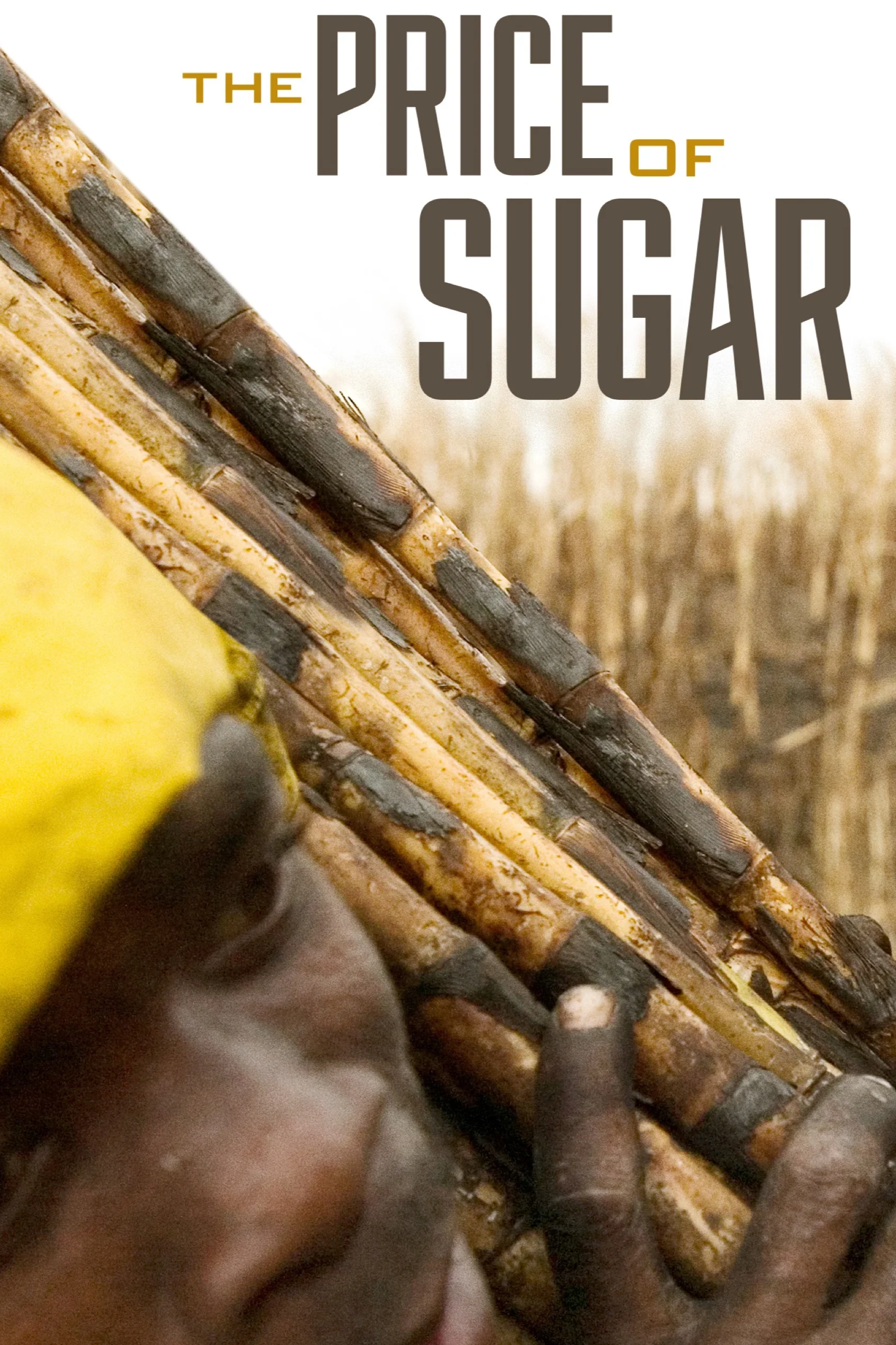
The Price of Sugar
The Price of Sugar is a hard-hitting documentary that exposes the brutal conditions faced by Haitian laborers working in the Dominican Republic’s sugar industry. Following activist priest Christopher Hartley, the film reveals a modern system of exploitation—where profit thrives on poverty, and human rights are pushed to the margins.